
LIVE REVIEW + PHOTOS: MIKA AT OVO ARENA WEMBLEY, LONDON 12/02/26 (+ JACK GARRATT)
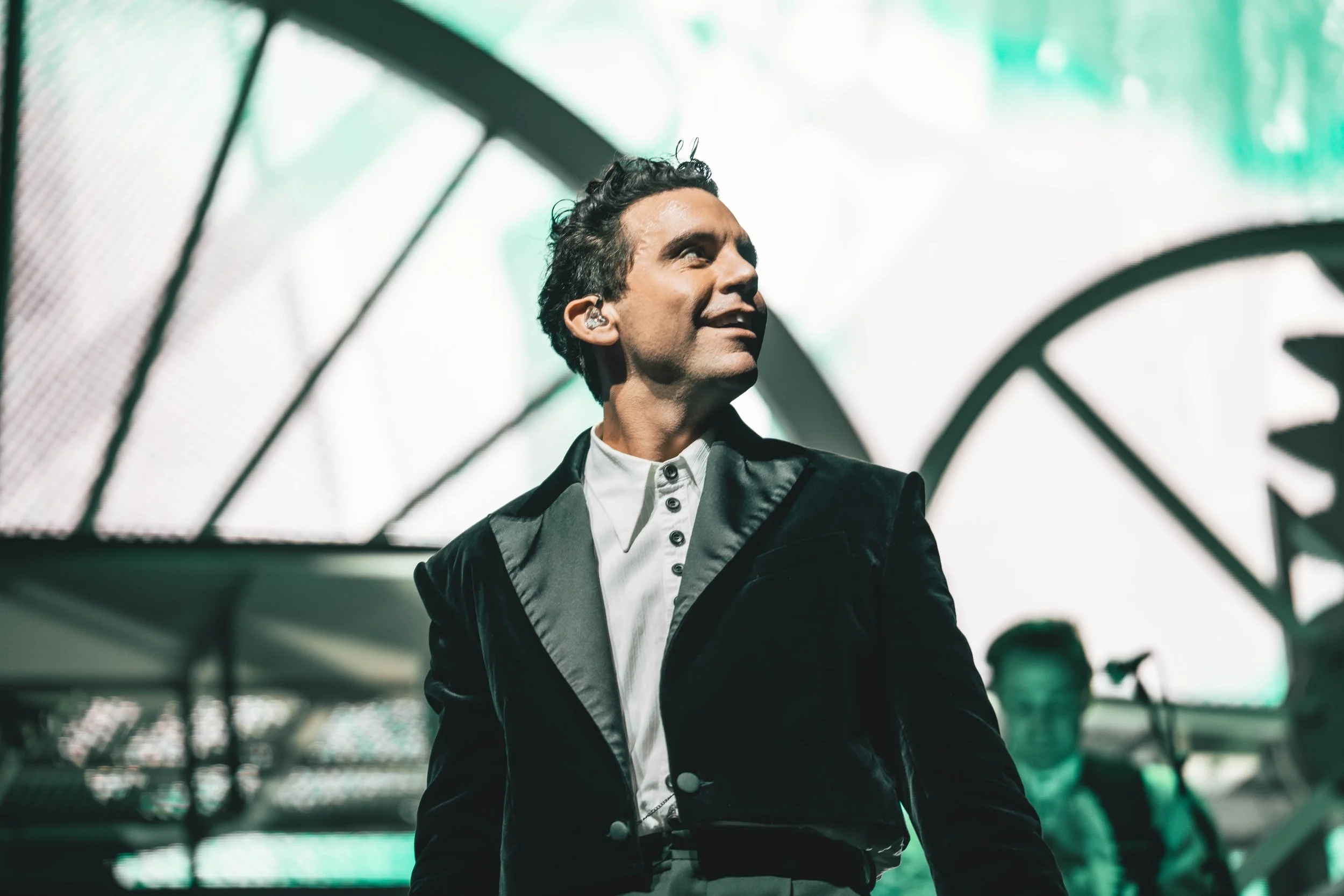
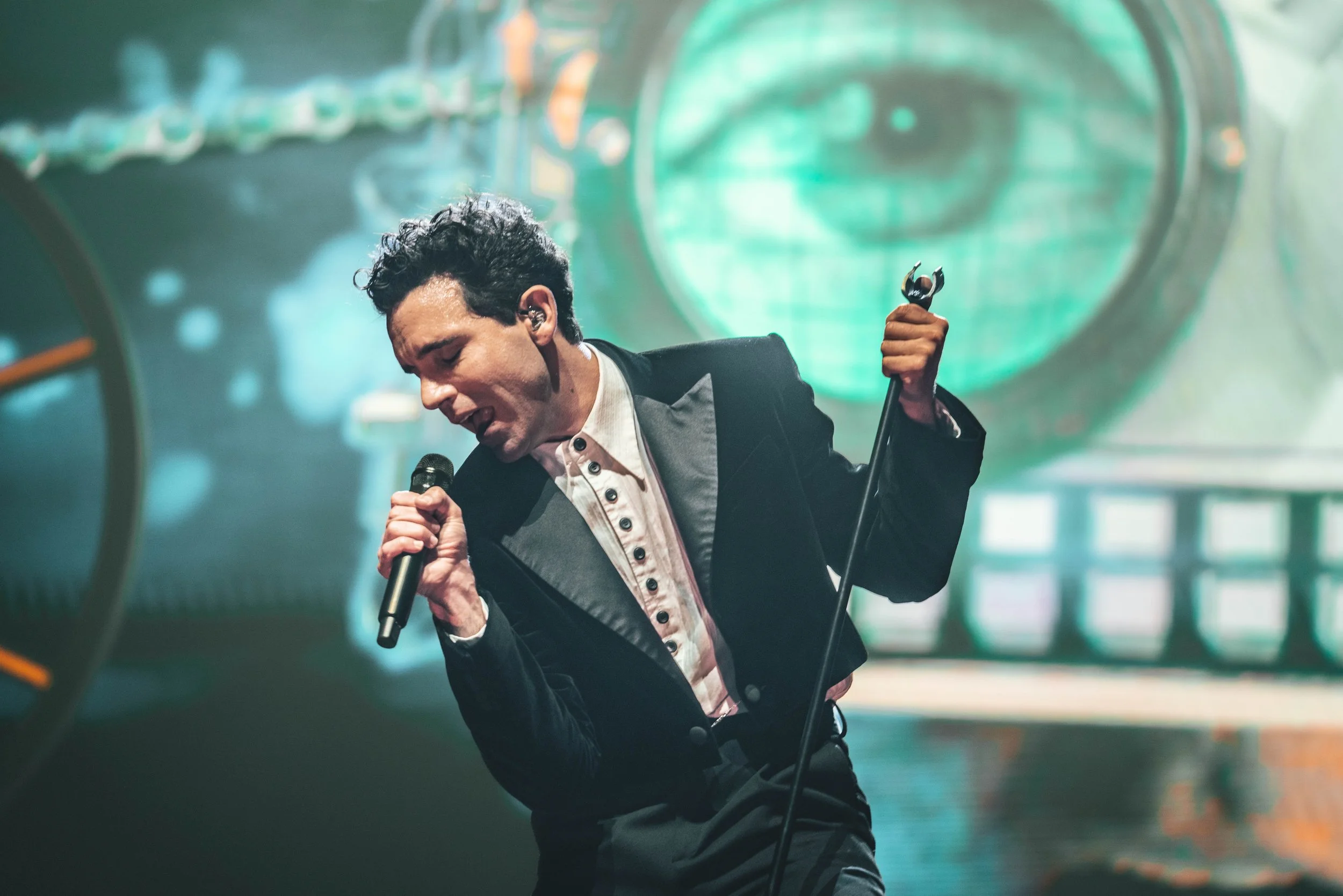
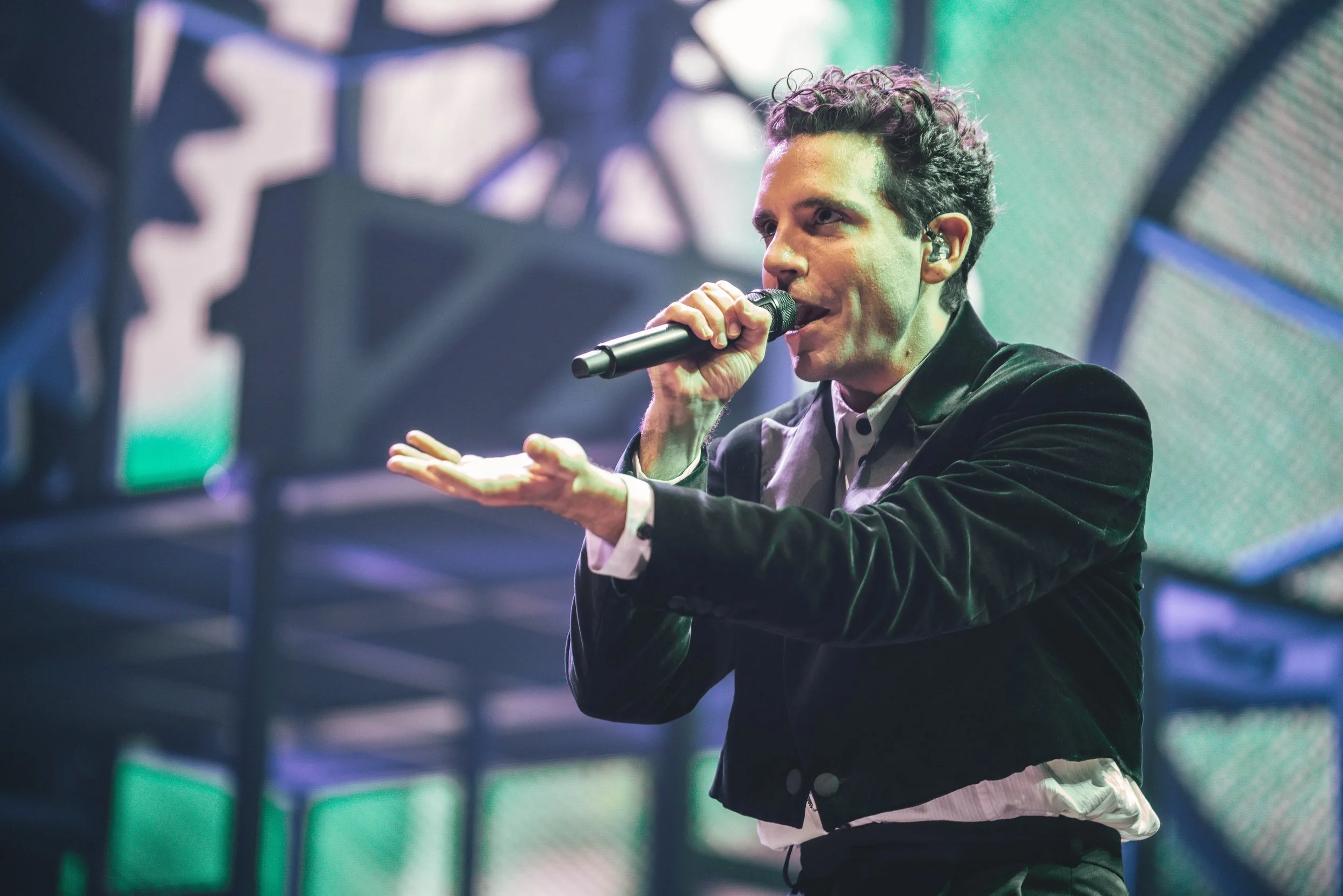
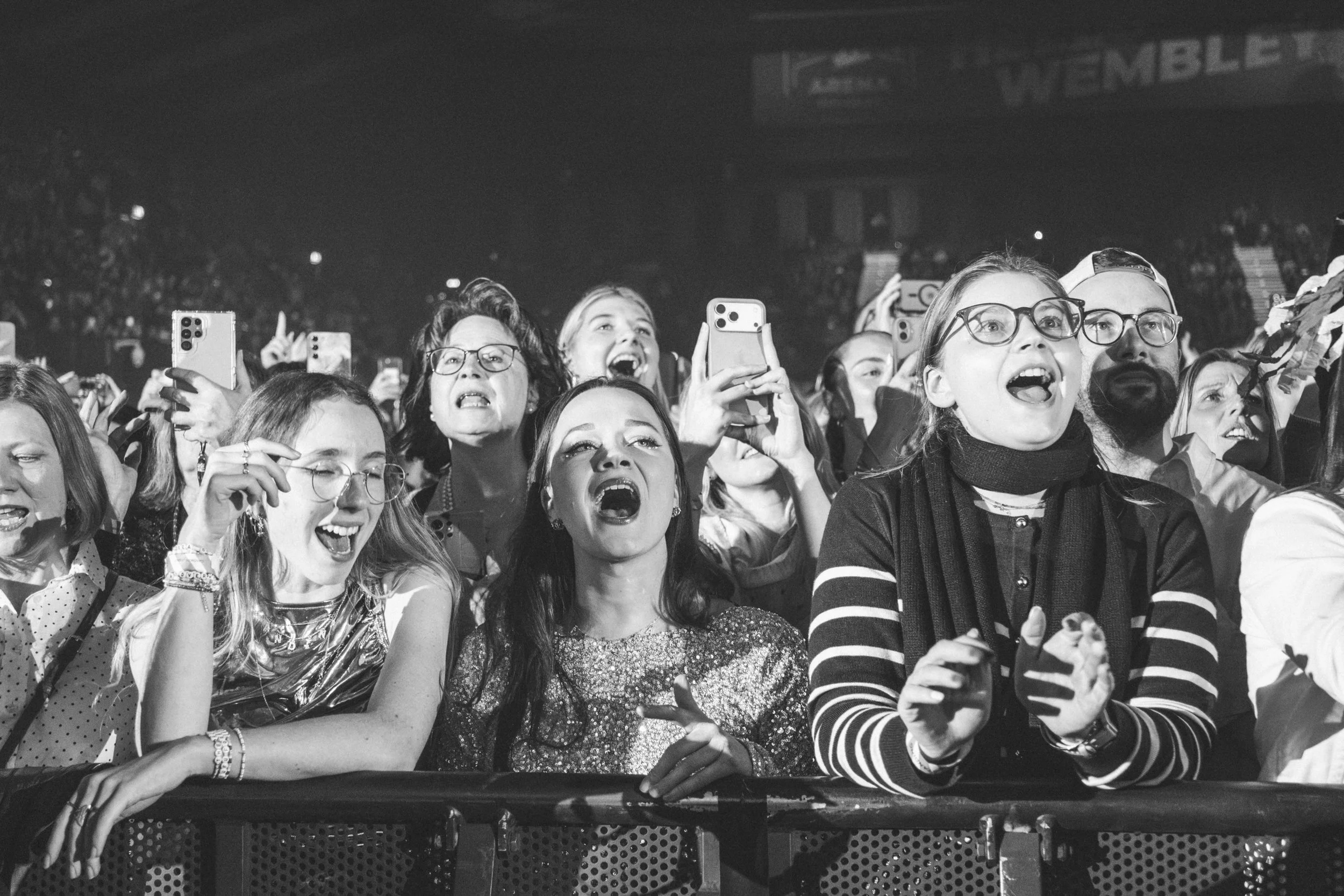

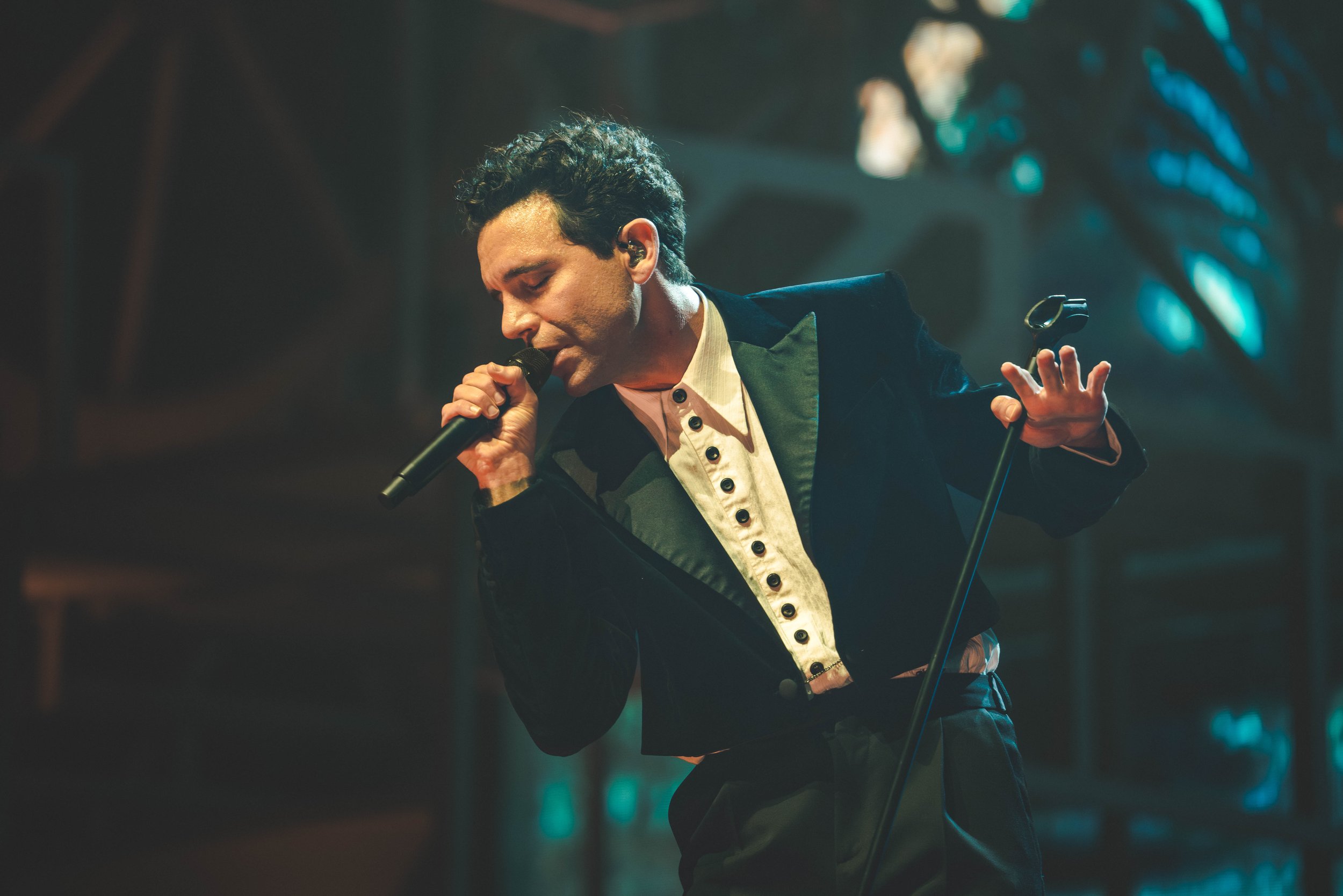
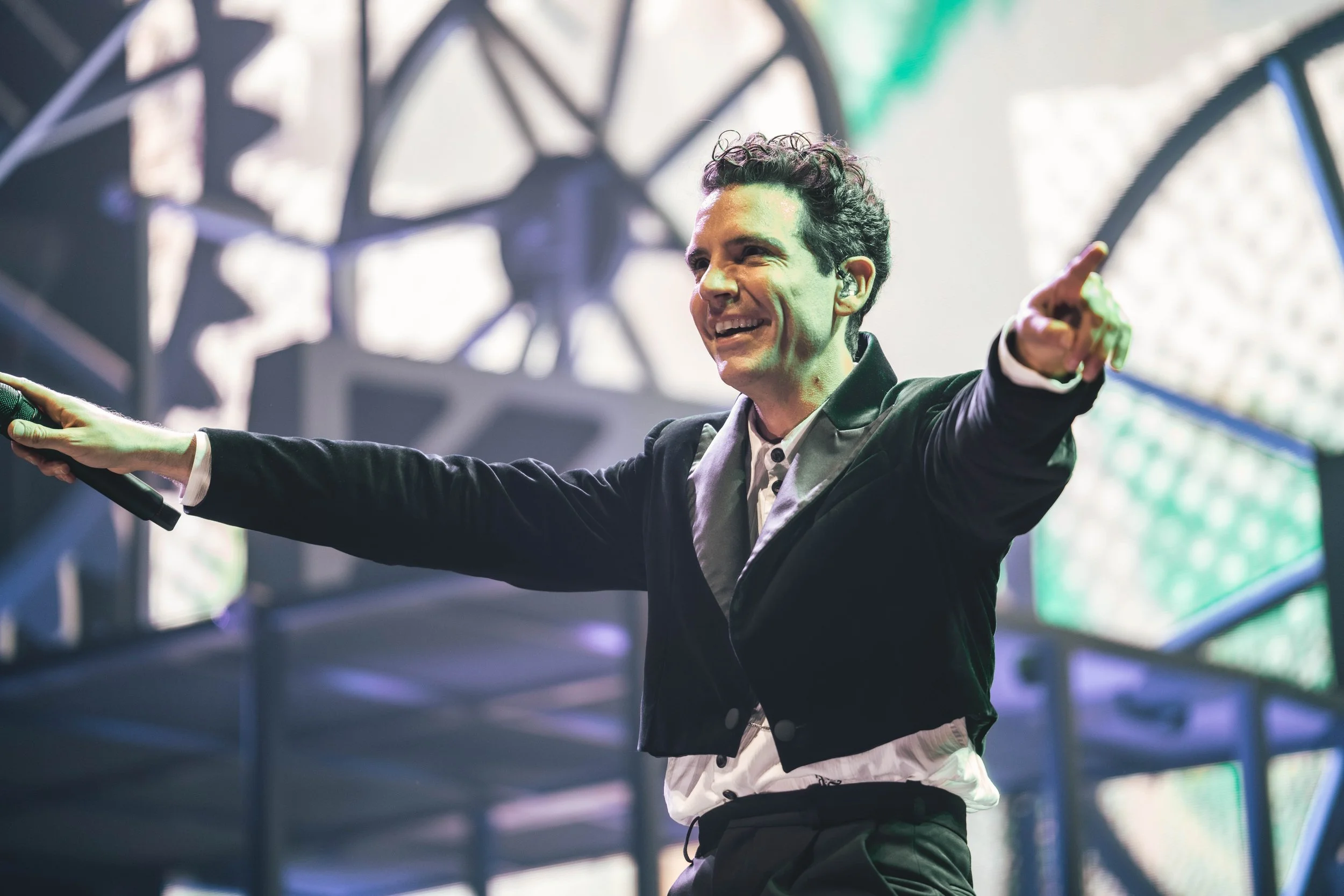
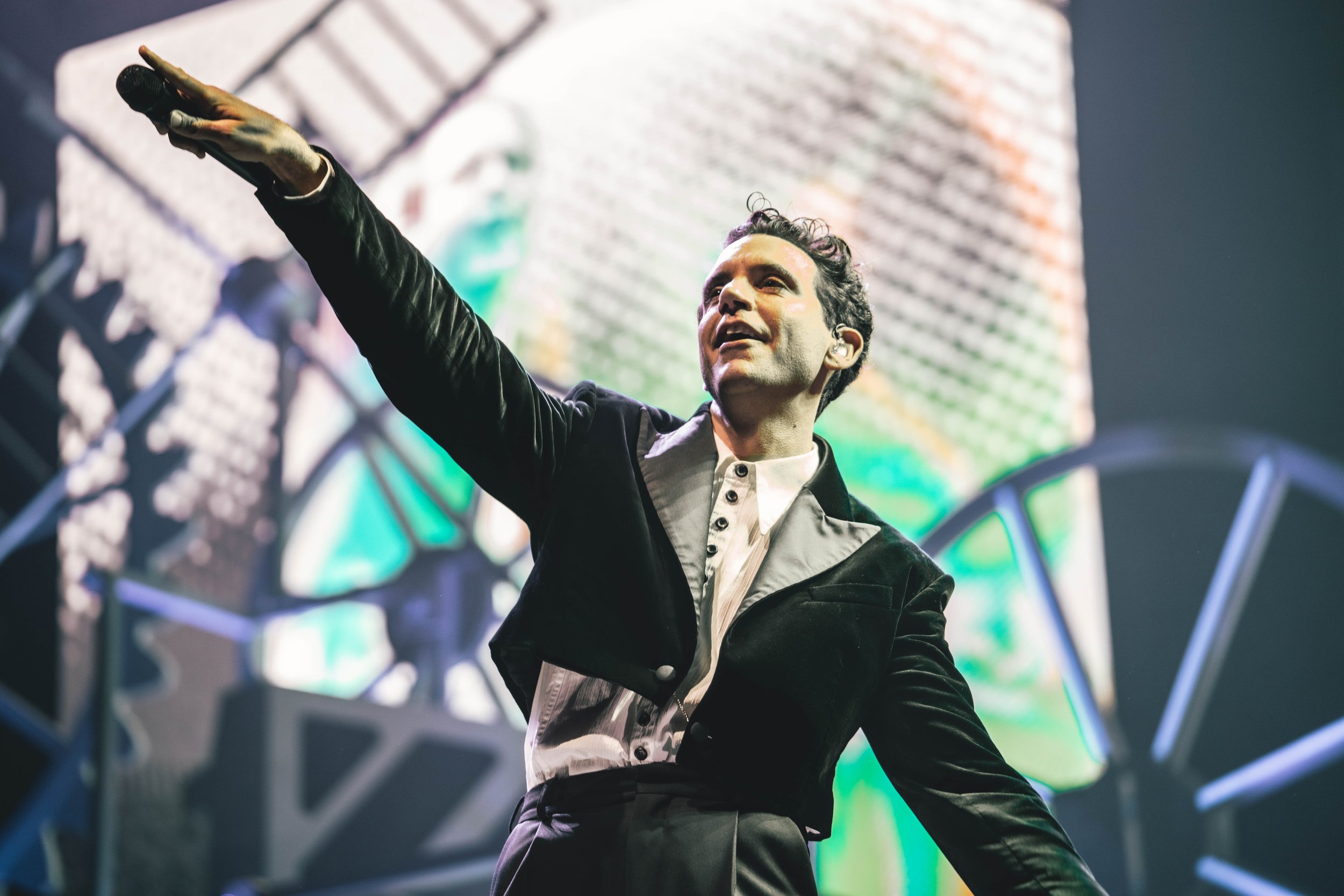
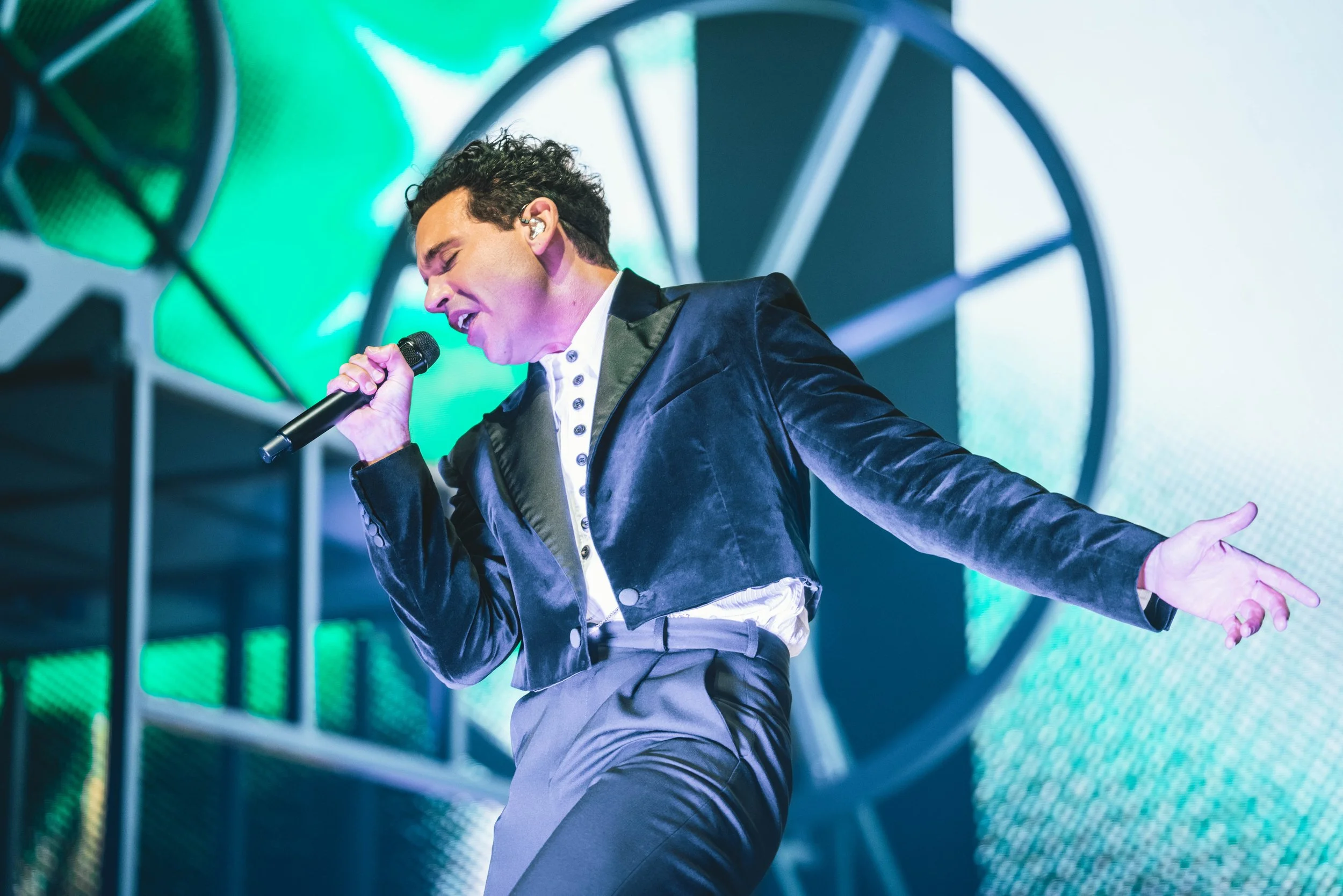
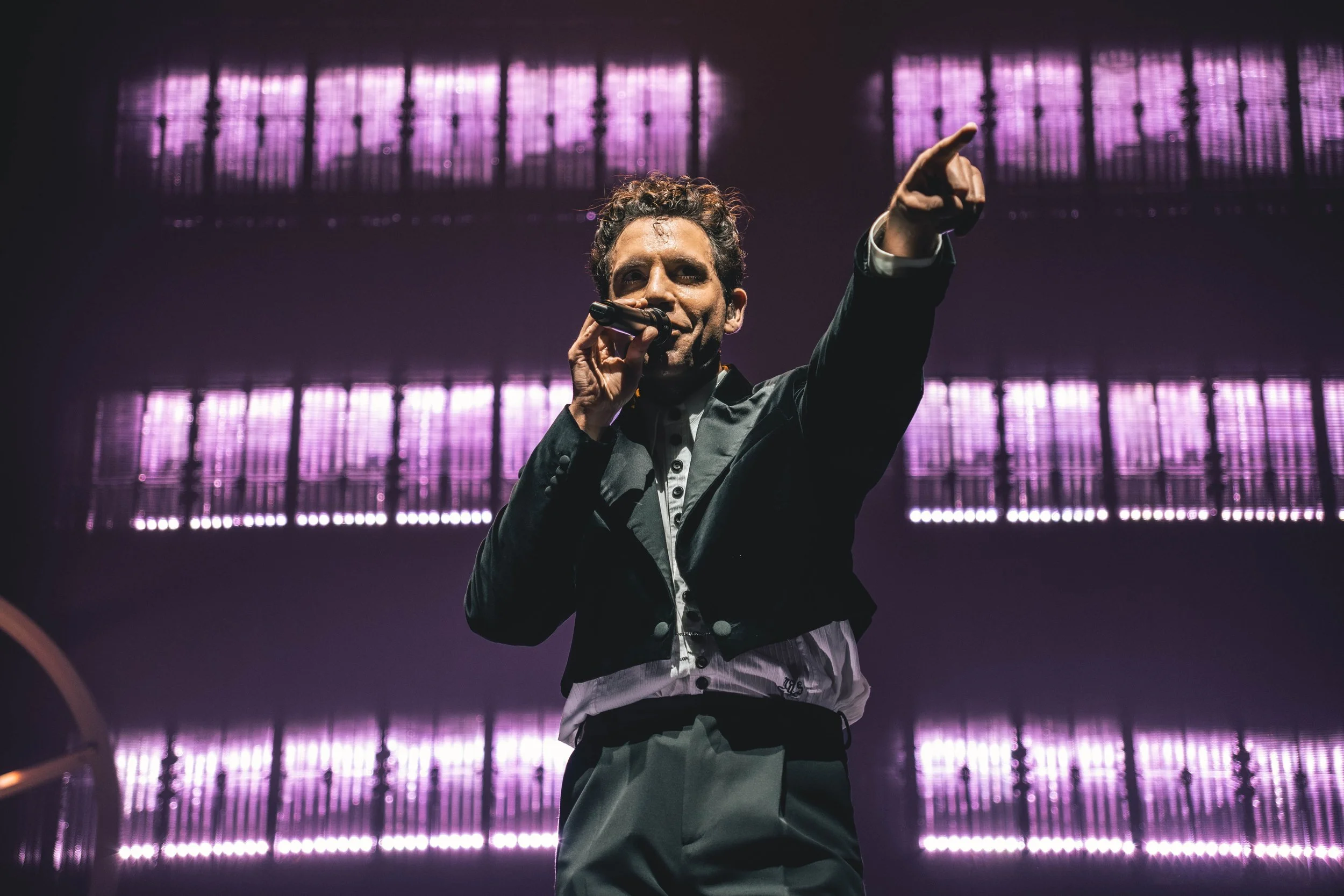
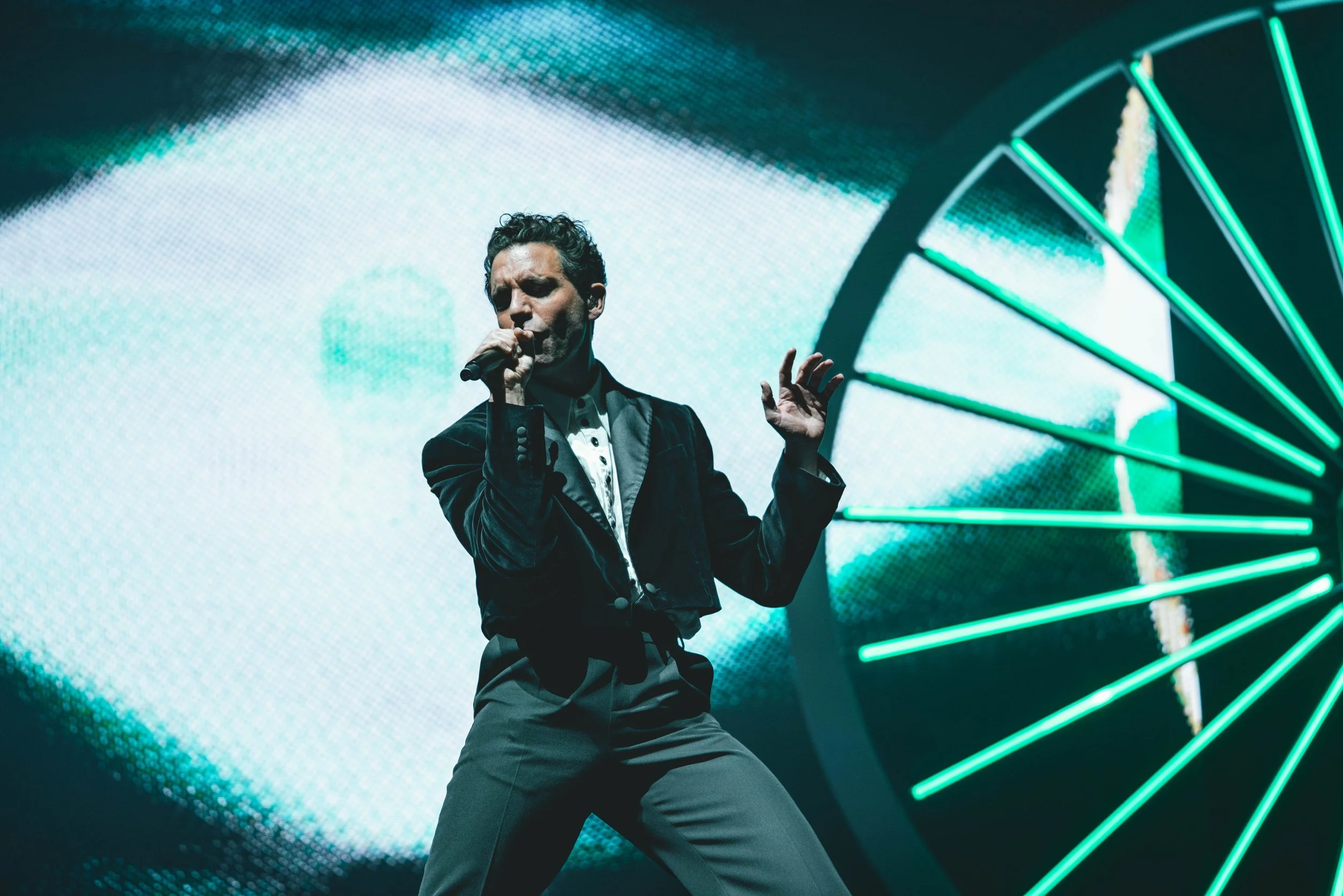
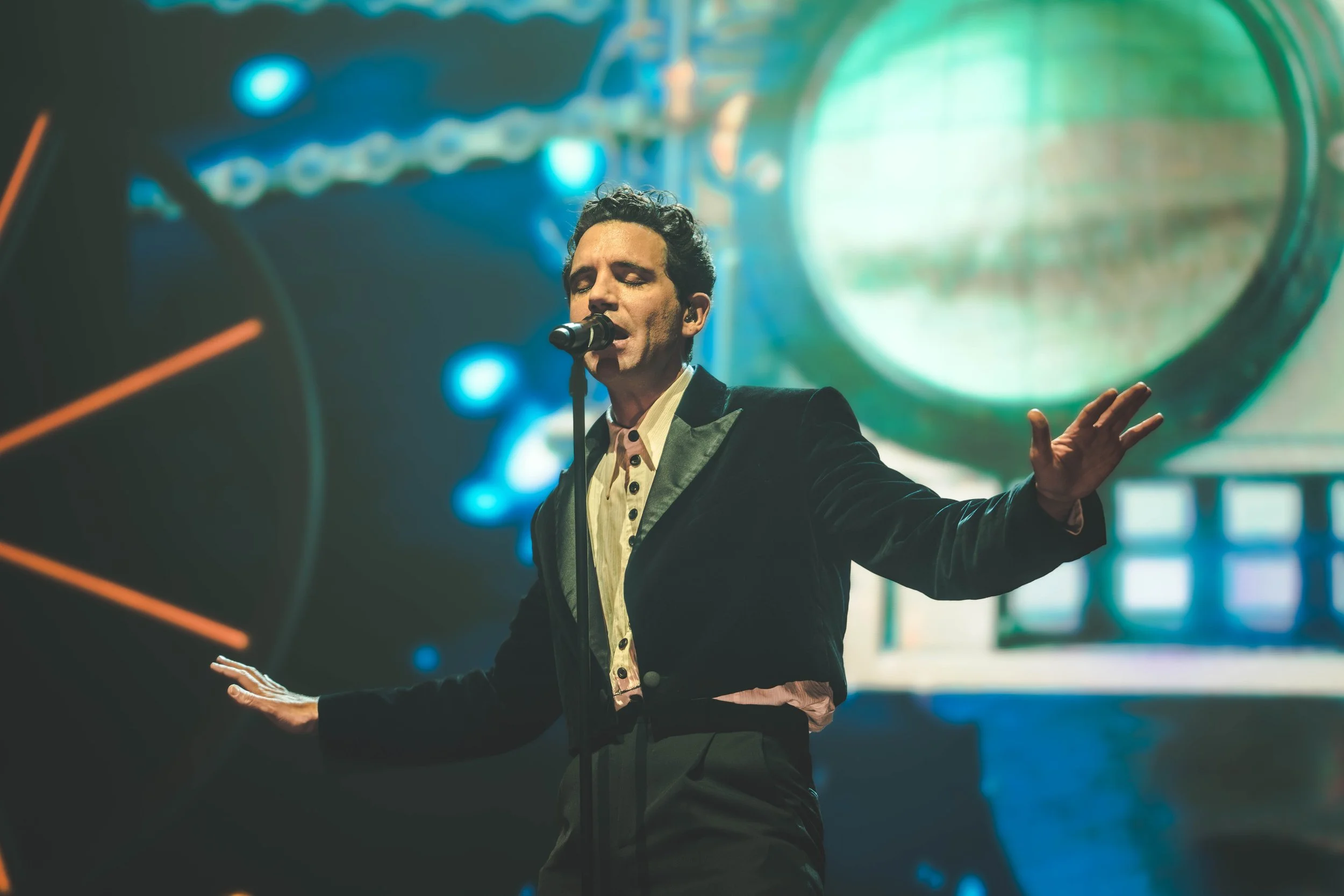
In a world that often feels fractured by digital noise and social division, MIKA remains the ultimate architect of connection. His performance at Wembley Arena on February 12, 2026, was a vibrant, mechanical, and deeply human manifesto. This is an artist who doesn't simply inhabit an era; he creates them in real-time. Whether you were a child there with your parents, a long-time queer fan, or someone who simply fell in love with his music through a "mum recommendation," Wembley became a space where time, age, and labels ceased to matter.
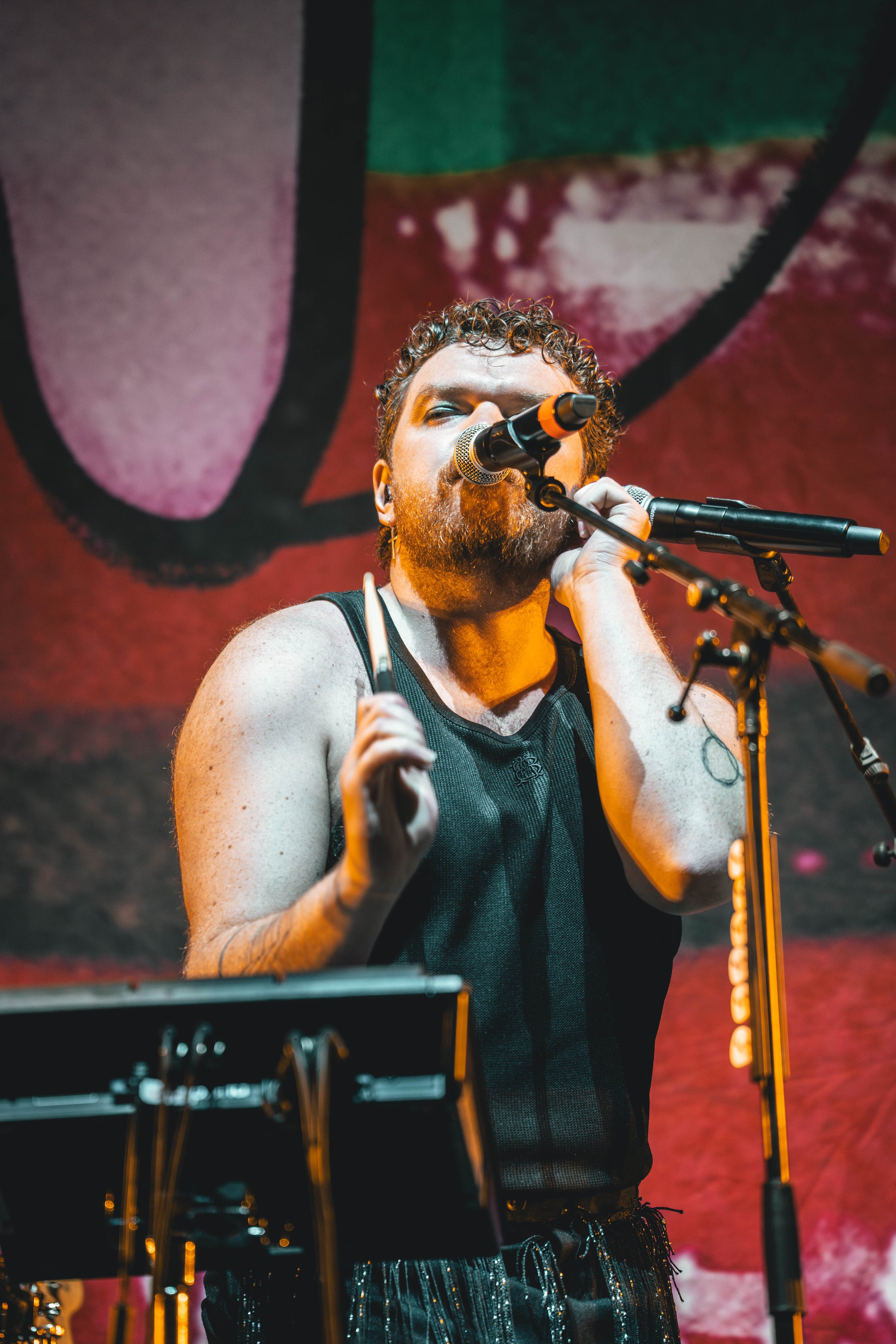
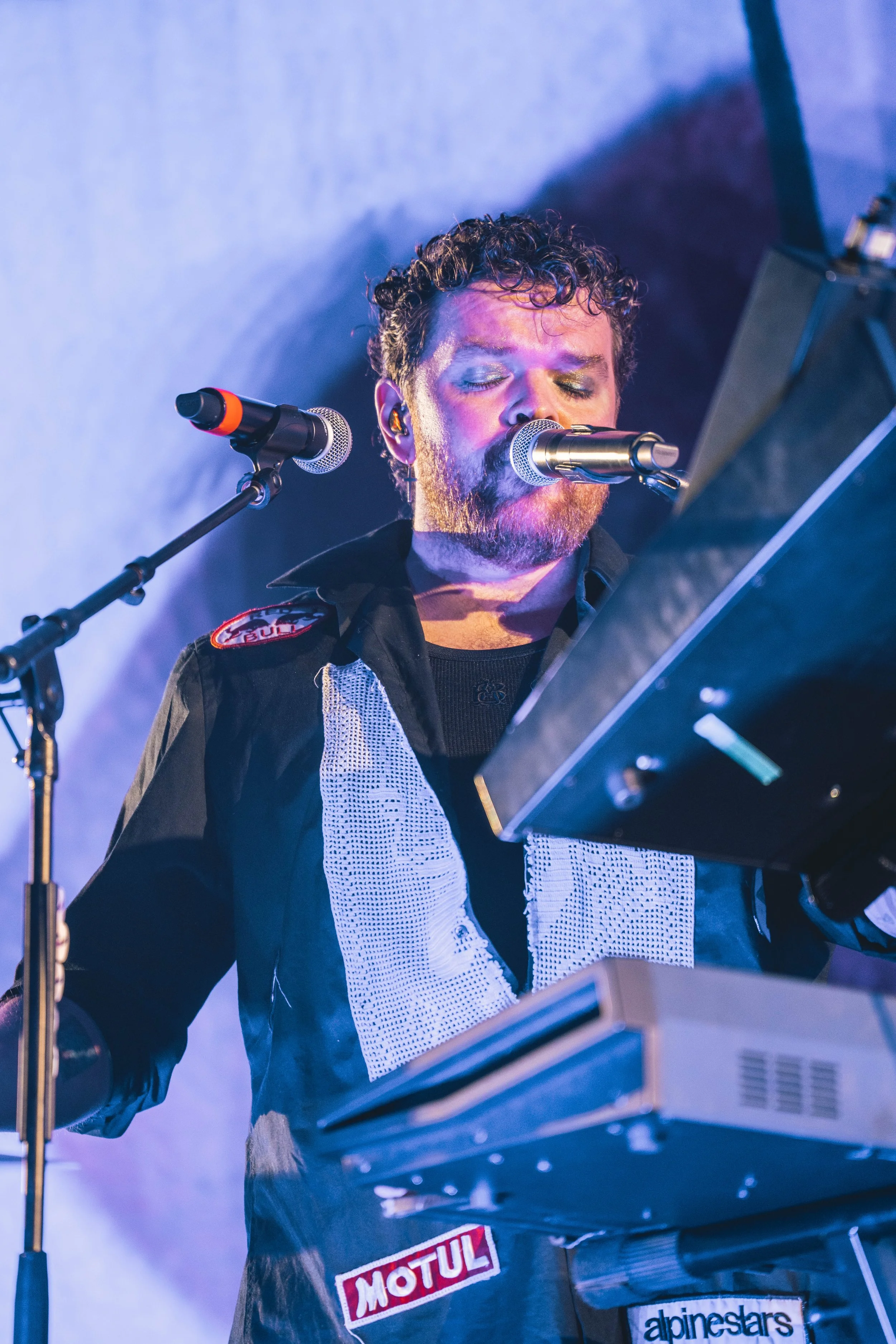
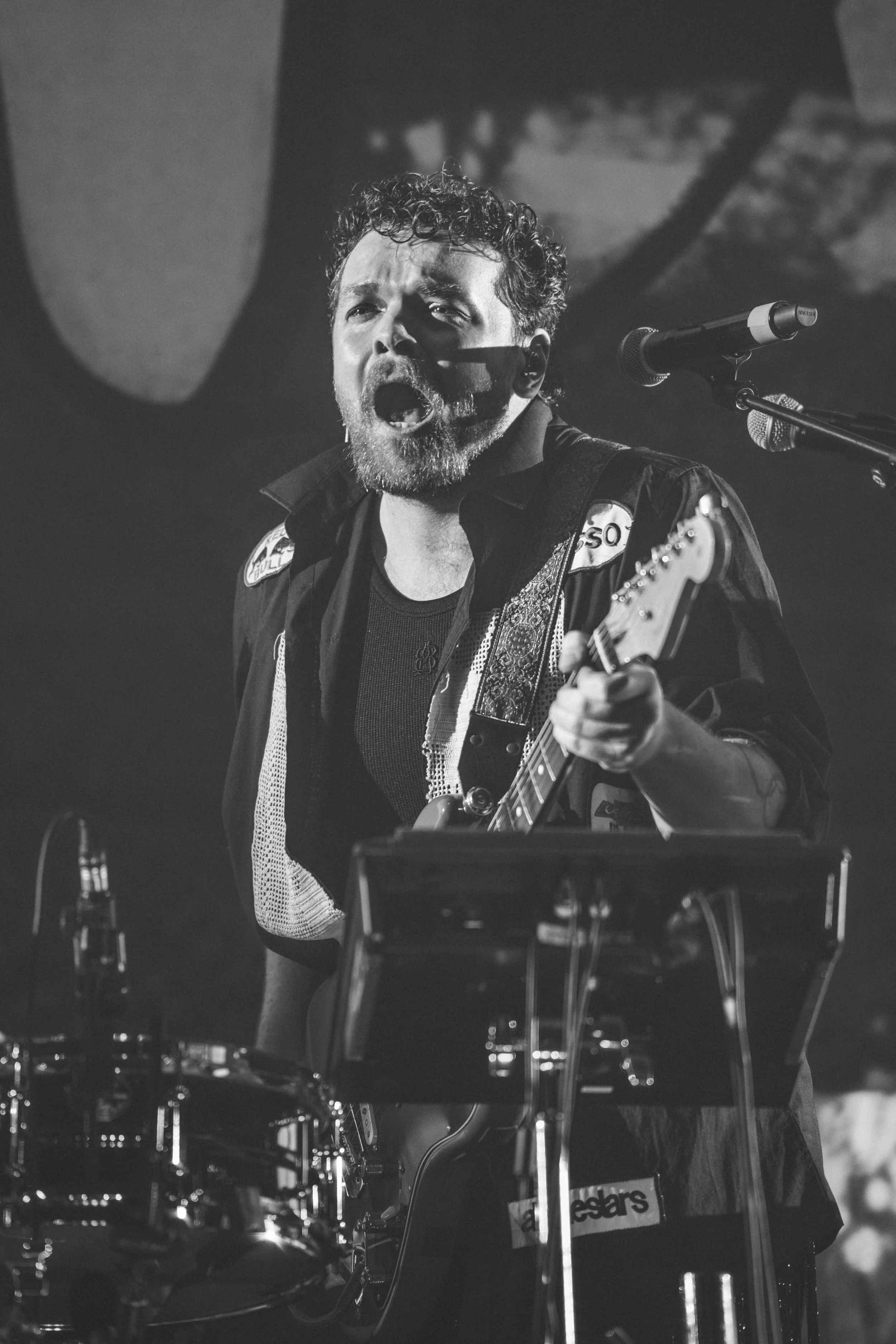
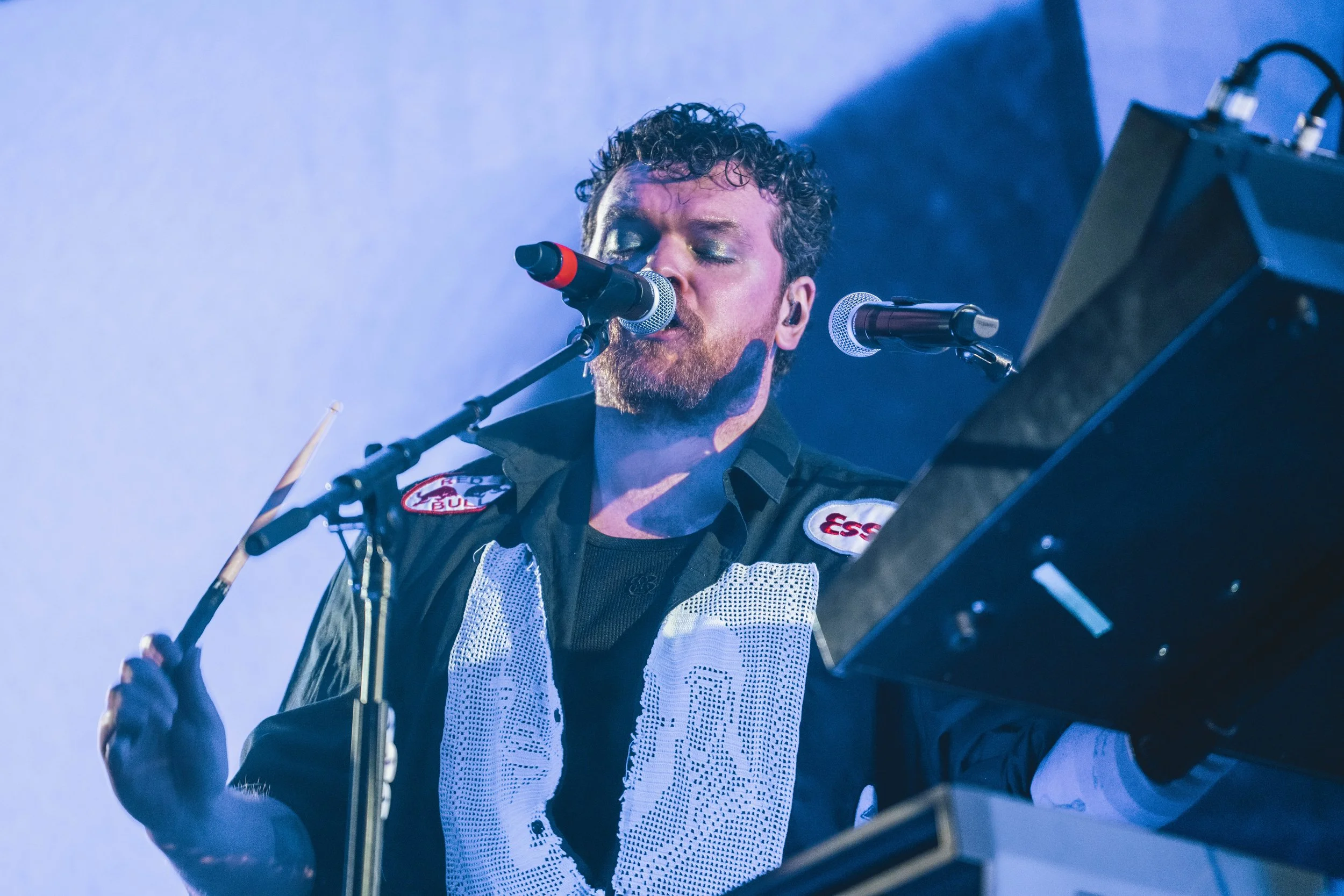
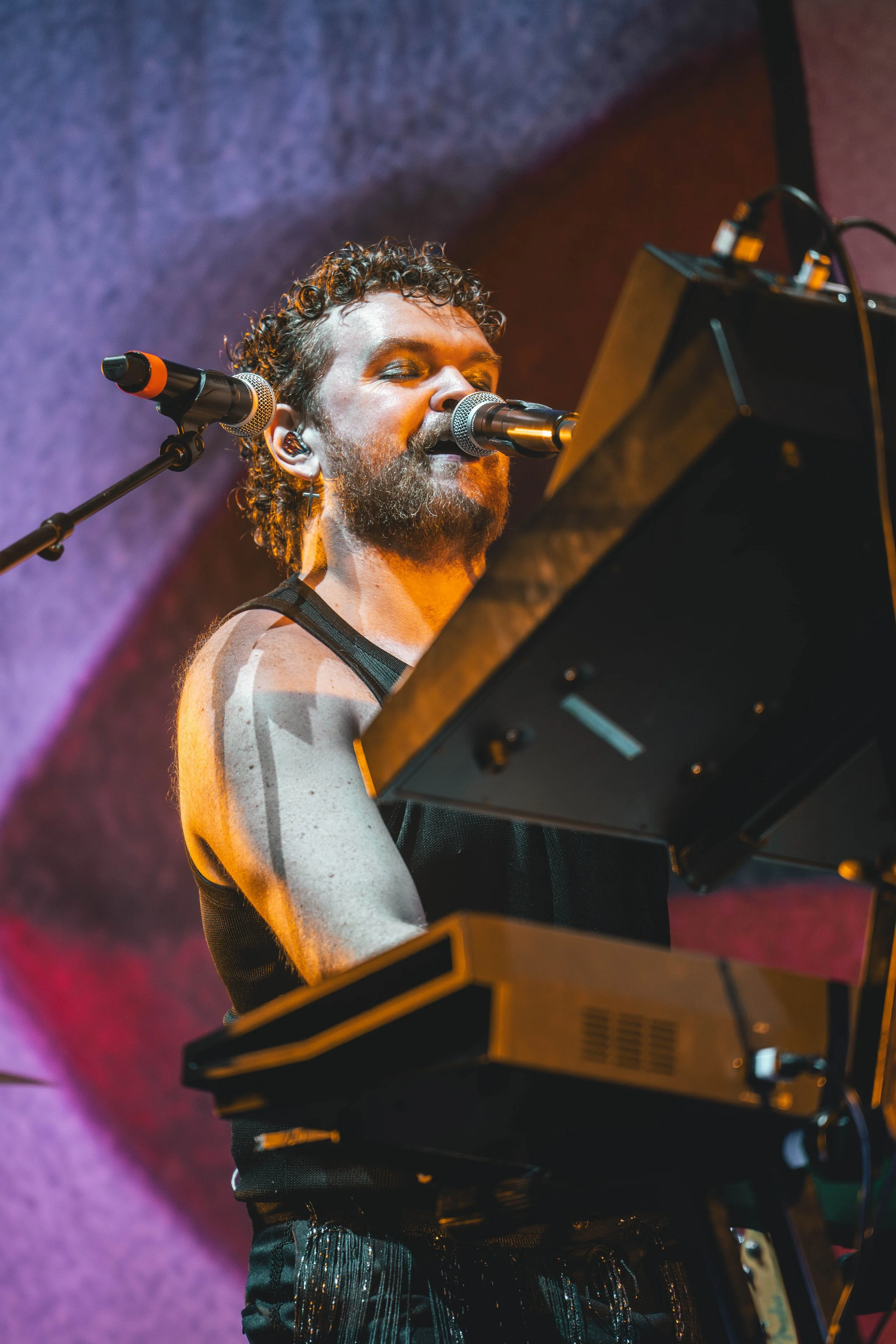
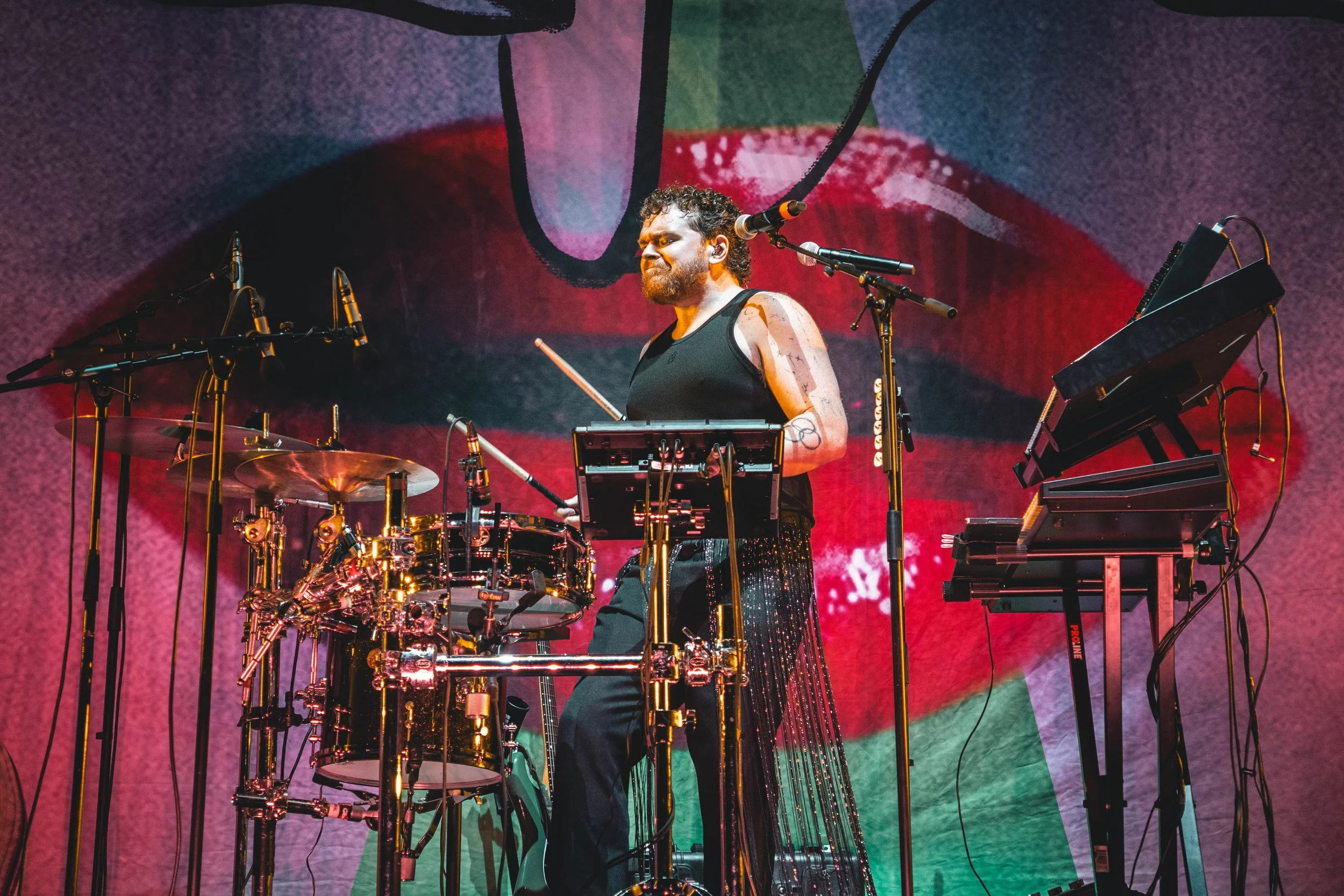
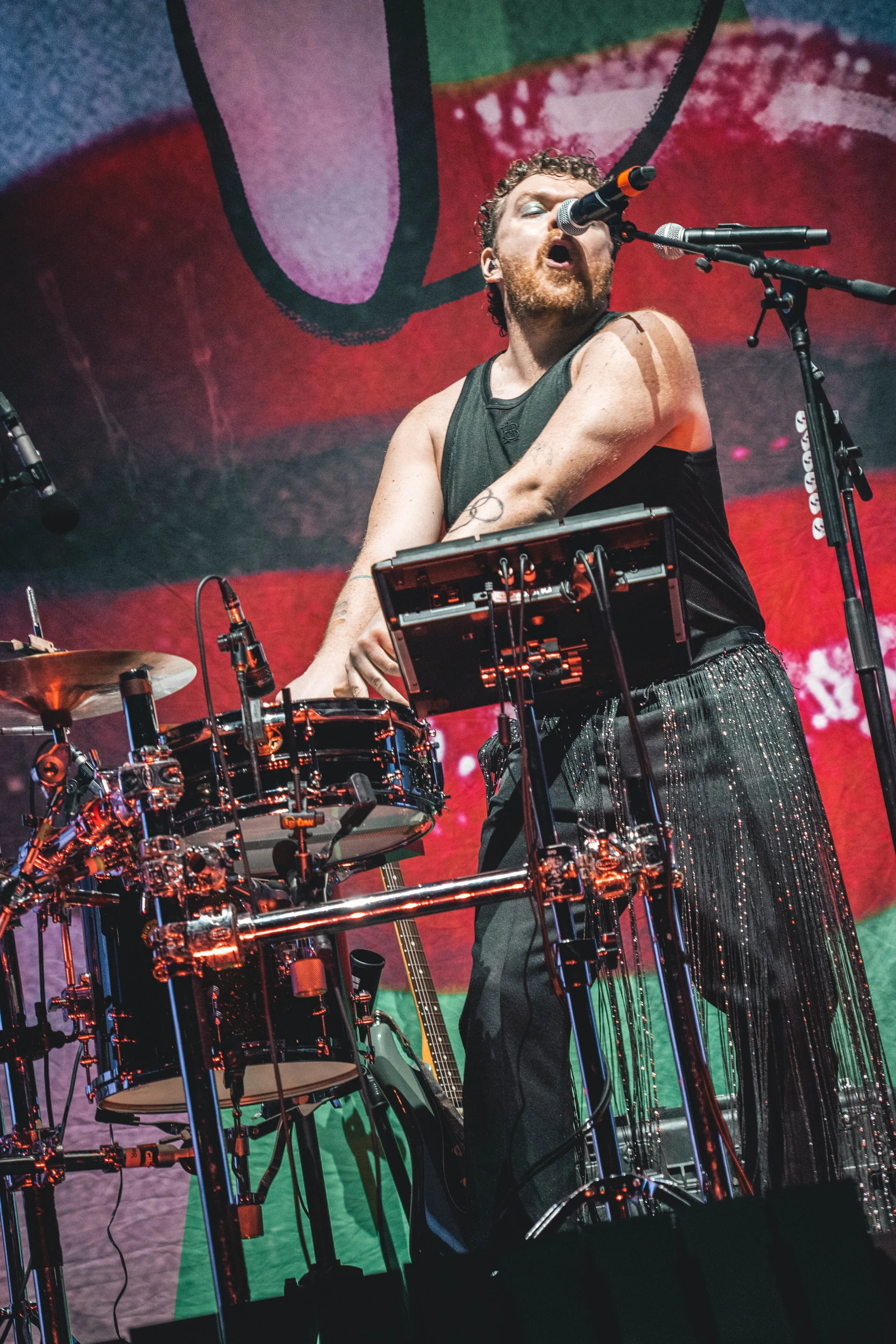
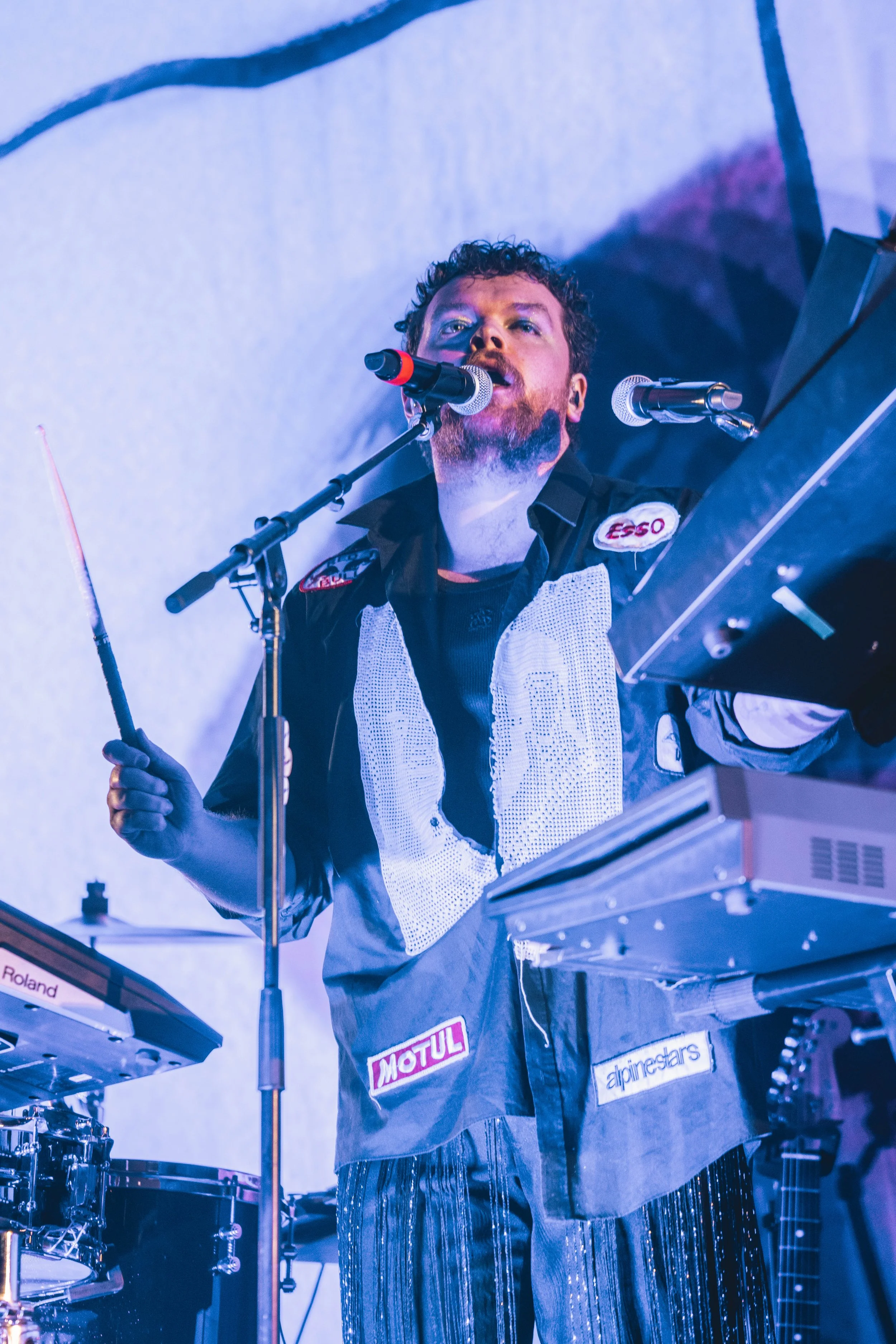
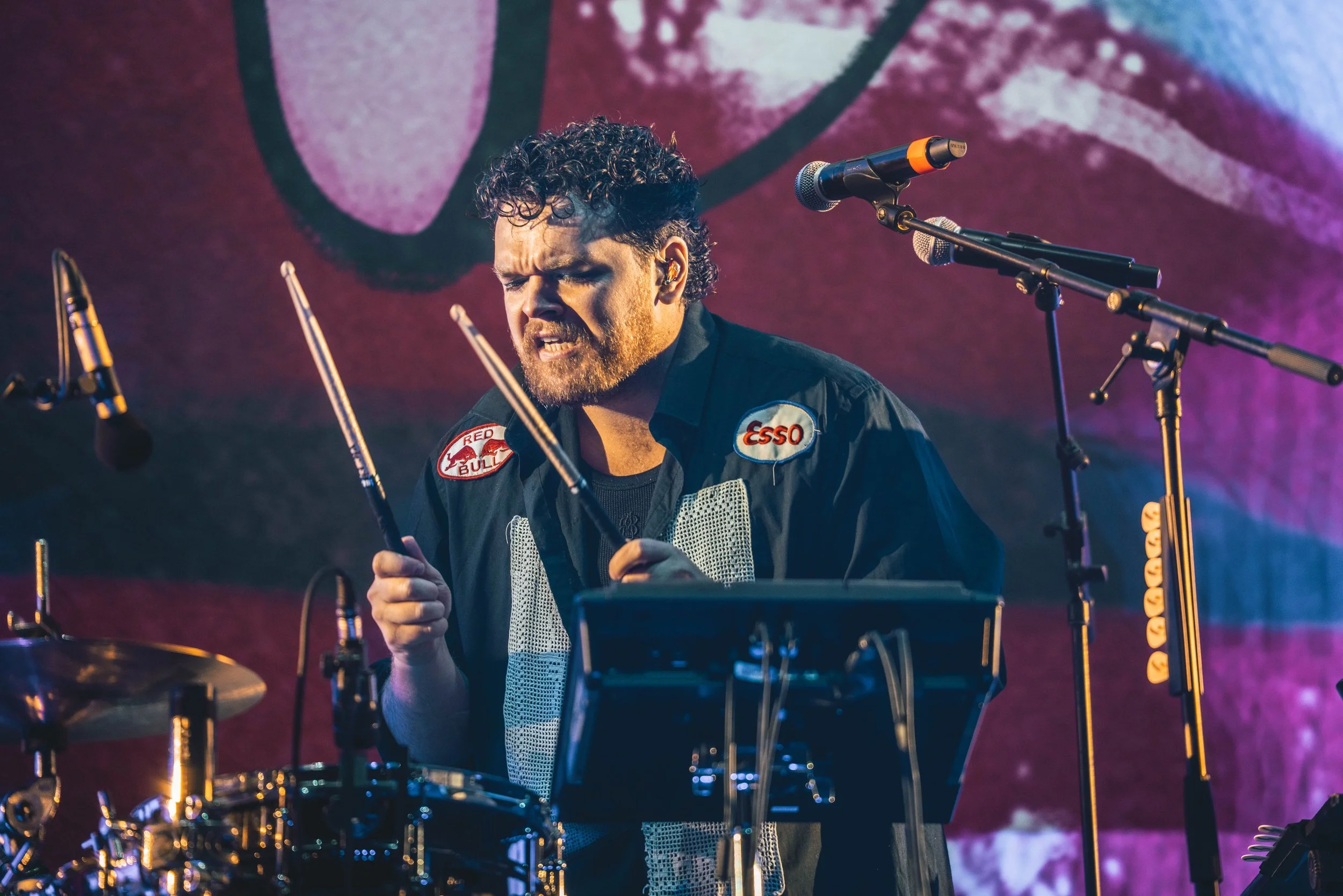
Opening the night was Jack Garratt, arguably one of the most vital support acts in recent memory and a performer who feels more like a headline event than a warm-up. Hailing from Little Chalfont, Buckinghamshire, Garratt is an artist whose trajectory has been defined by both meteoric success and a deeply human need for self-preservation. Back in 2016, he was the undisputed "next big thing," sweeping the BBC Sound of 2016 and the BRITs Critics' Choice Award in a single year - the kind of industry coronation previously reserved for Adele and Sam Smith. He has since conquered the world’s biggest stages, from headlining the BBC Introducing stage at Reading and Leeds to delivering massive sets at Glastonbury and Coachella, and opening for giants like Mumford & Sons, Two Door Cinema Club, and Bastille. Yet, despite the festival pedigree and the "top-tipped" status, he remains refreshingly grounded and relatable.
Garratt is less of a solo artist and more of a one-man orchestra who renders a backing band entirely redundant. To see him live is to witness a high-wire act of musical multitasking; he is the singer, guitarist, drummer, keyboardist, and producer all at once. Stylistically, he occupies a unique space, offering a sound that is difficult to pin down but impossible to ignore. His vocals are rooted in a rich, soulful blues tradition - think the raw, grit-flecked pipes of Hozier or Alex Vargas - but they are woven into jagged, contemporary electronic compositions. This isn't just "electronic pop"; it is a fusion of organic soul and glitchy, trip-hop-influenced production. His melodic sound is a fascinating contradiction: he delivers big, bulletproof hooks that feel ready for a stadium, yet undercuts them with intricate synth textures and face-melting bass that keep the audience on their toes.
He began the set by grounding the room with a slow, focused energy before ramping up into 'Ready! Set! Go!', a standout from his latest era. Watching him jump between his "mission control" rig offered a level of showmanship that made the "one-man band" label feel like a massive understatement. It looks more impressive as a solo performance; having a full band would almost downplay the sheer genius of how he layers his music in real-time. "Come on, London", he commanded, his voice carrying a gritty, powerful depth that shifted effortlessly from a bluesy to a gossamer falsetto.
During 'Surprise Yourself', he leaned into the crowd’s energy, quipping, "Some of you know it, you nerds" as the room erupted into a full sound palette that gave me and the entire arena goosebumps. The pacing of his set was masterfully handled, moving from the high-energy 'Higher' - a track that brings a vibrant, disco-funk lift to the room - to the soulful, vibey presence of 'Worry'. Throughout the set, he remained incredibly personable, reminding fans to "find me, follow me, buy my merch," making a 12,500-capacity arena feel as intimate as a local pub.
The emotional climax of his set came with 'Time', a song that carries a weight only real life can. Garratt famously took a four-year hiatus between his debut PHASE (2006) and his sophomore project LOVE, DEATH & DANCING (2020). He has been incredibly open about the fact that this break wasn't a choice of luxury, but a necessity for his mental health. After the whirlwind of 2016, he struggled with the immense pressure of following up such a decorated debut and took all the time he needed to feel comfortable in his own skin again. 'Time' is the anthem of that period - a song about how time is a tool for healing rather than a race to be won. Starting with a slow, minimal start before building into his trademark multi-instrumental energy, it served as a poignant reminder that healing requires patience. For a support slot, it was a staggering display of talent that left the audience genuinely inspired and ready for the main event.
Before we get into his genius, let’s talk a little bit about the main attraction. Born in Beirut and raised in London, MIKA has always been a citizen of the world, a fact reflected in the kaleidoscopic nature of his music. He first exploded onto the global stage in 2007 with his multi-platinum debut, LIFE IN CARTOON MOTION (2007). Armed with a four-octave range and a refusal to play by the rules of traditional indie-rock popular at the time, he became an overnight icon with 'Grace Kelly', a track that famously lampooned the very industry suits who told him he was "a little too gay" to succeed.
While he has spent the last two decades becoming a household name across Europe - headlining stadiums in Italy and France and even hosting Eurovision - his 2026 return to the UK charts has been nothing short of a triumph. His latest album, HYPERLOVE (2026), debuted at number 14 on the UK Albums Chart, moving 5,108 album-equivalent units in its first week, marking his highest chart album in the country since THE BOY WHO KNEW TOO MUCH (2009). Not only this, but it placed at number four on the UK Albums Sales Chart, and at number seven on the UK Vinyl Albums Chart. In Scotland, the album debuted at number four on the Scottish Album Charts, Mika's highest charting album in the country since his second album in 2009.
Elsewhere, HYPERLOVE debuted at number fifteen in Switzerland and number four in Wallonia. In France, the album debuted at number ten, selling 4,200 copies in its first week, and became his seventh consecutive top ten album in the country. This resurgence proves that his music and message aren’t just a nostalgia trip, but a worldwide living, breathing movement that is as vital Today as it was twenty years ago.
MIKA is the kind of artist that your mum recommends to you, and you end up falling in love with him. He’s the perfect example of a generational artist - one of those rare moments where you realise your mum actually has incredible musical style and has introduced you to a genuine gem in the world. It’s a beautiful, ongoing cycle: your mother introduces you to his world, and one day, you’ll likely introduce him to your own children. This Wembley gig was the living proof of that legacy; the arena was packed with every generation imaginable, all singing the same words. He has no era; he is the era. He makes the eras and the moments in real time.
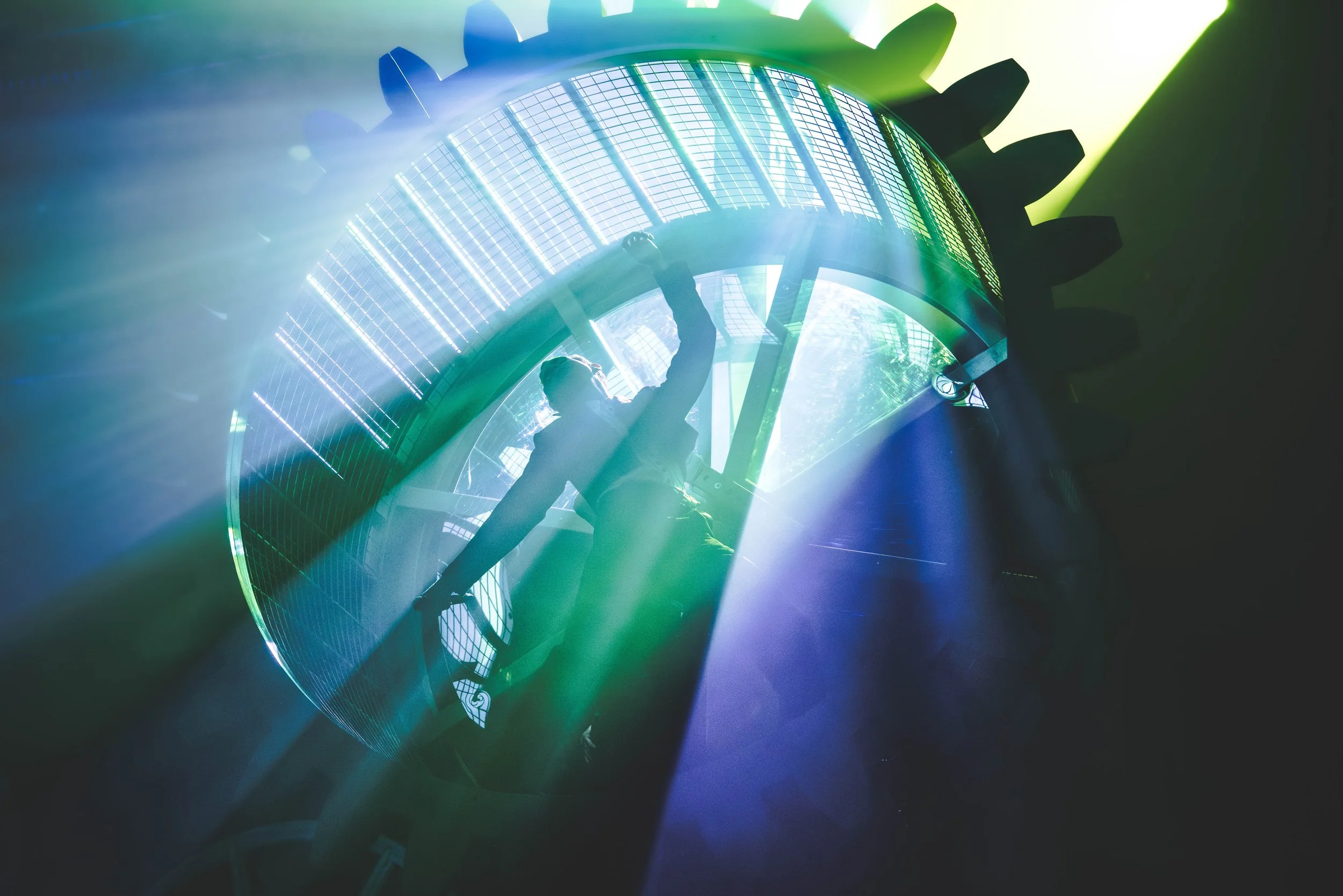
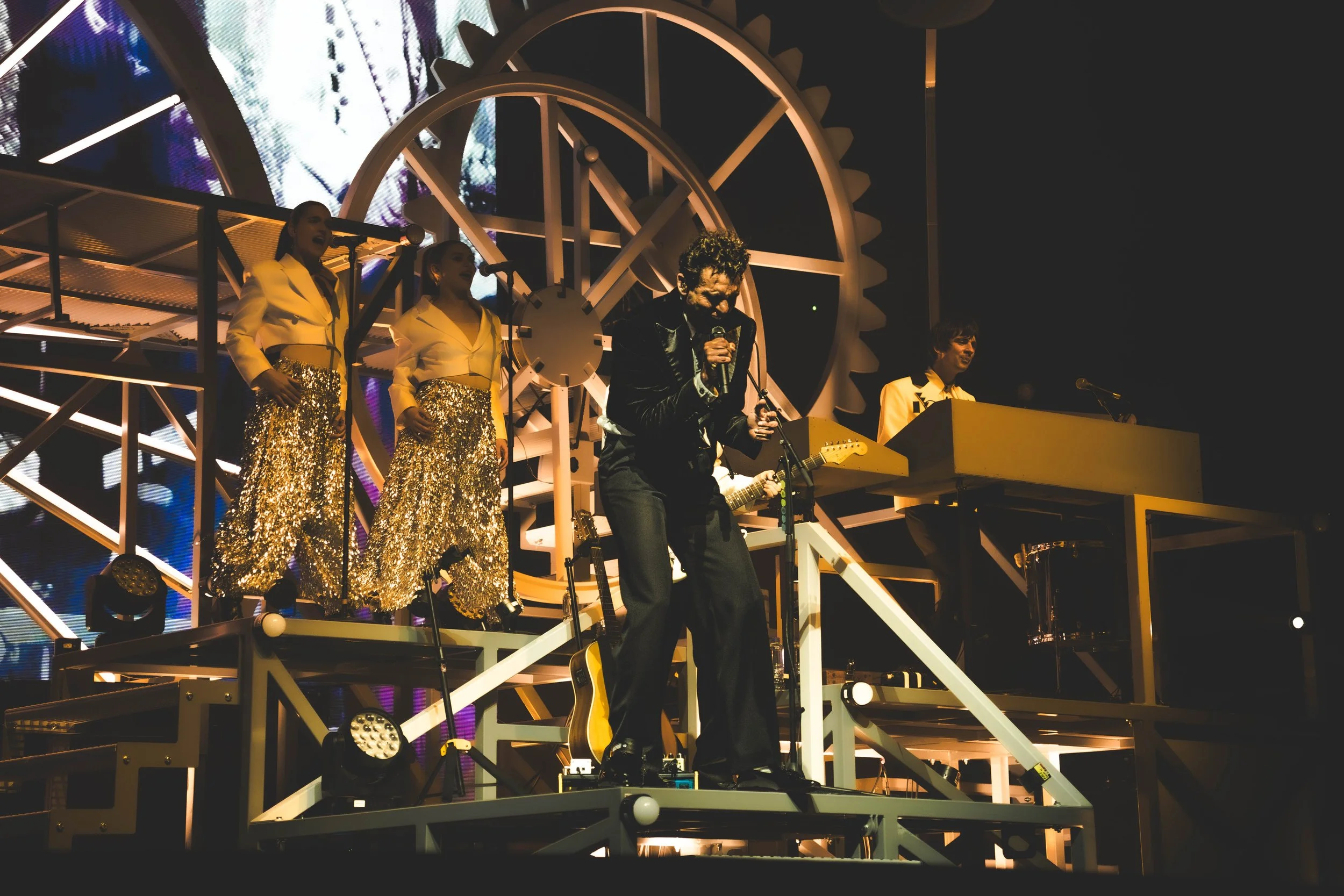
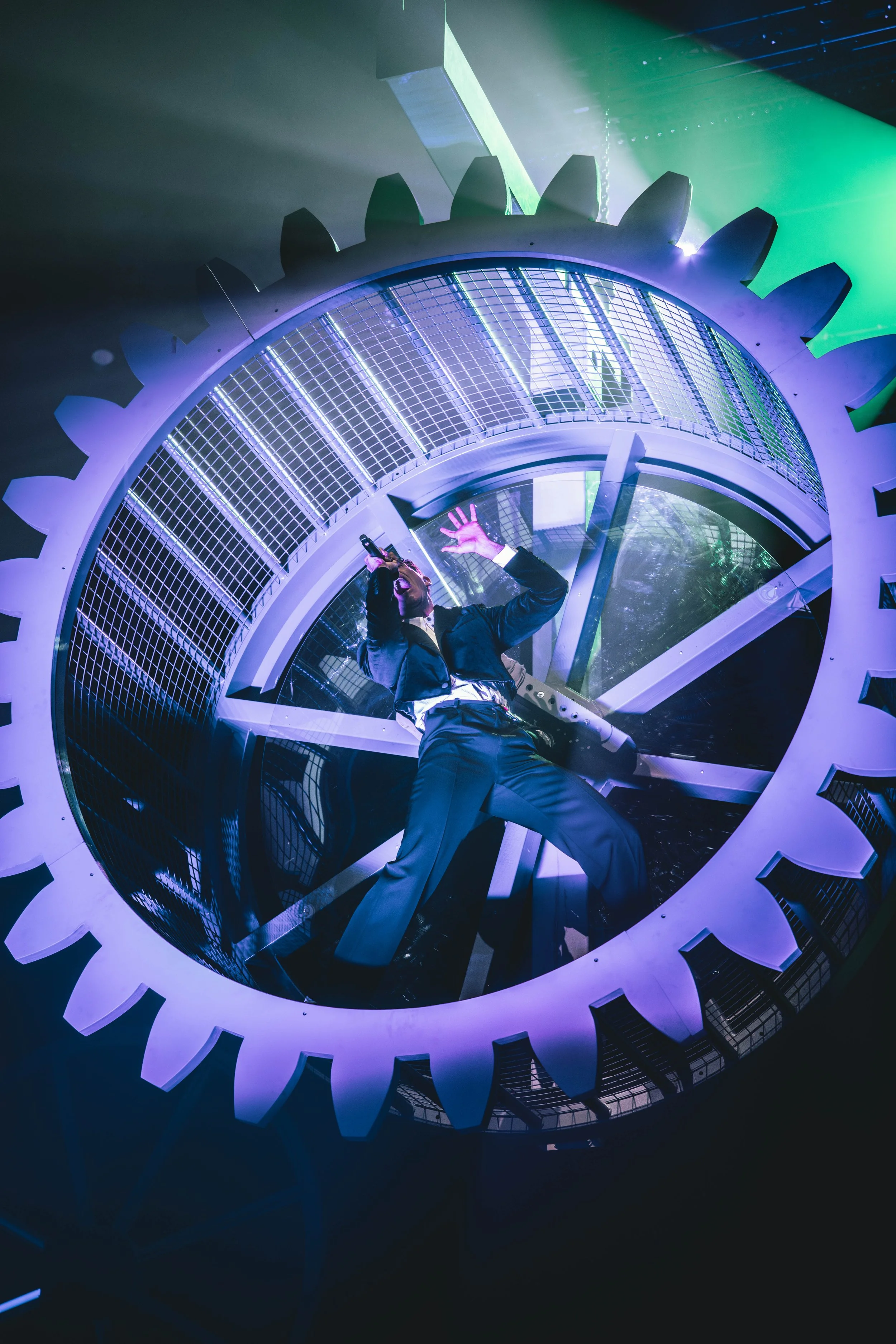
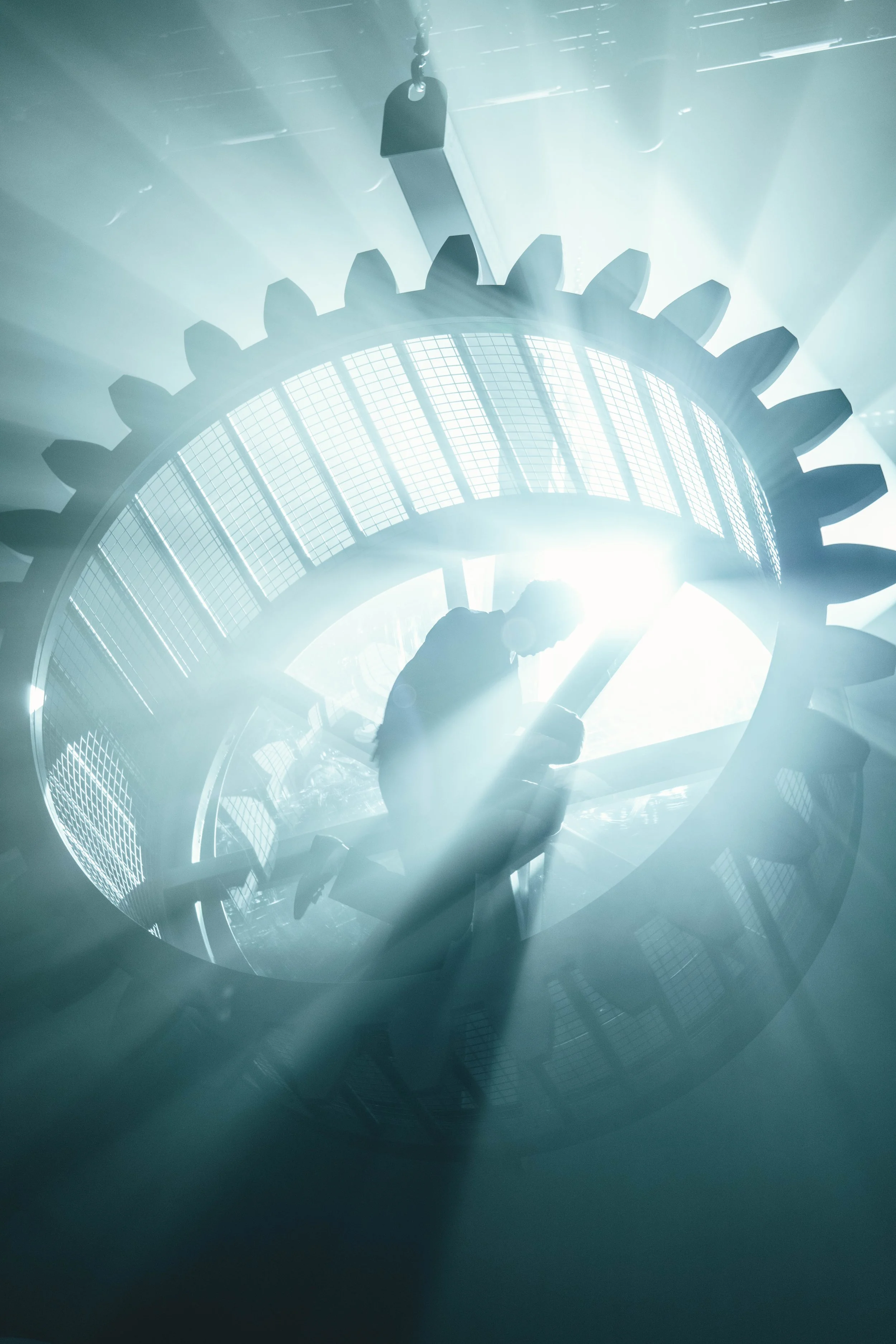
When MIKA took the stage, the production was nothing short of immaculate. The stage was an industrial-carnival hybrid, dominated by massive mechanical gears that looked like the inner workings of a giant clock serving as a representation of the ticking clock of life – a direct nod to his track ‘Spinning Out’ from his latest album. MIKA made his entrance from above, inside of one of those rotating gears, resembling a hamster wheel, which theatrically literalised the song’s themes of chaos, anxiety, and being trapped in a repetitive cycle of life. The meaning behind this staging was clear – these gears reflected a world that keeps moving and turning, often “spinning out” beyond our control, but MIKA’s interpretation wasn’t one of despair; the lights tracing the wheels made the mechanical world look like a celebration of life – a festive carnival with a neon-lit Ferris wheel. The message was simple: life is busy and relentless, but we must enjoy the ride and the journey while the wheels are turning. This wasn’t just a set design; it was an immaculate engagement with the audience, visually portraying that no matter how fast we spin, our light still shines on the world.
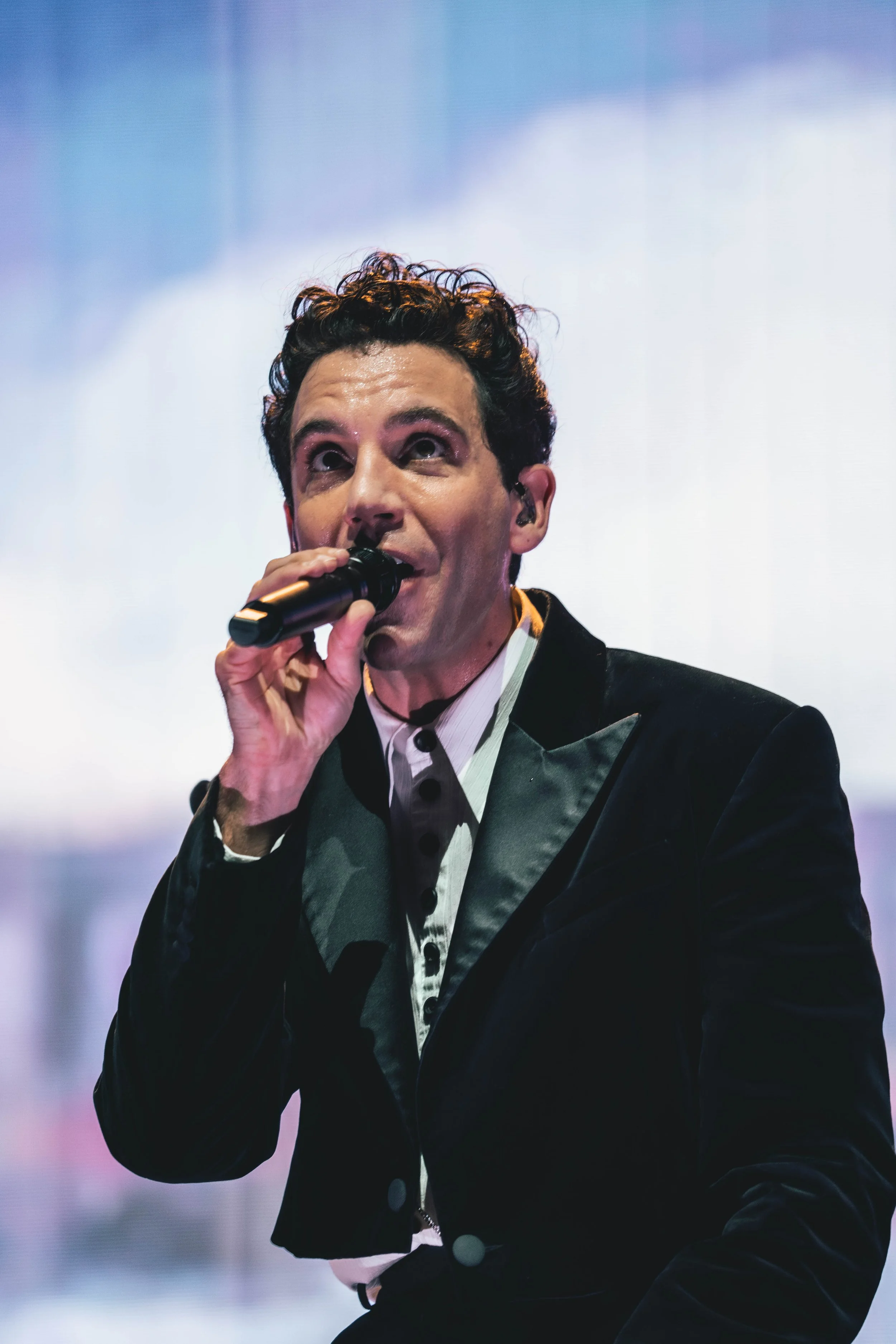
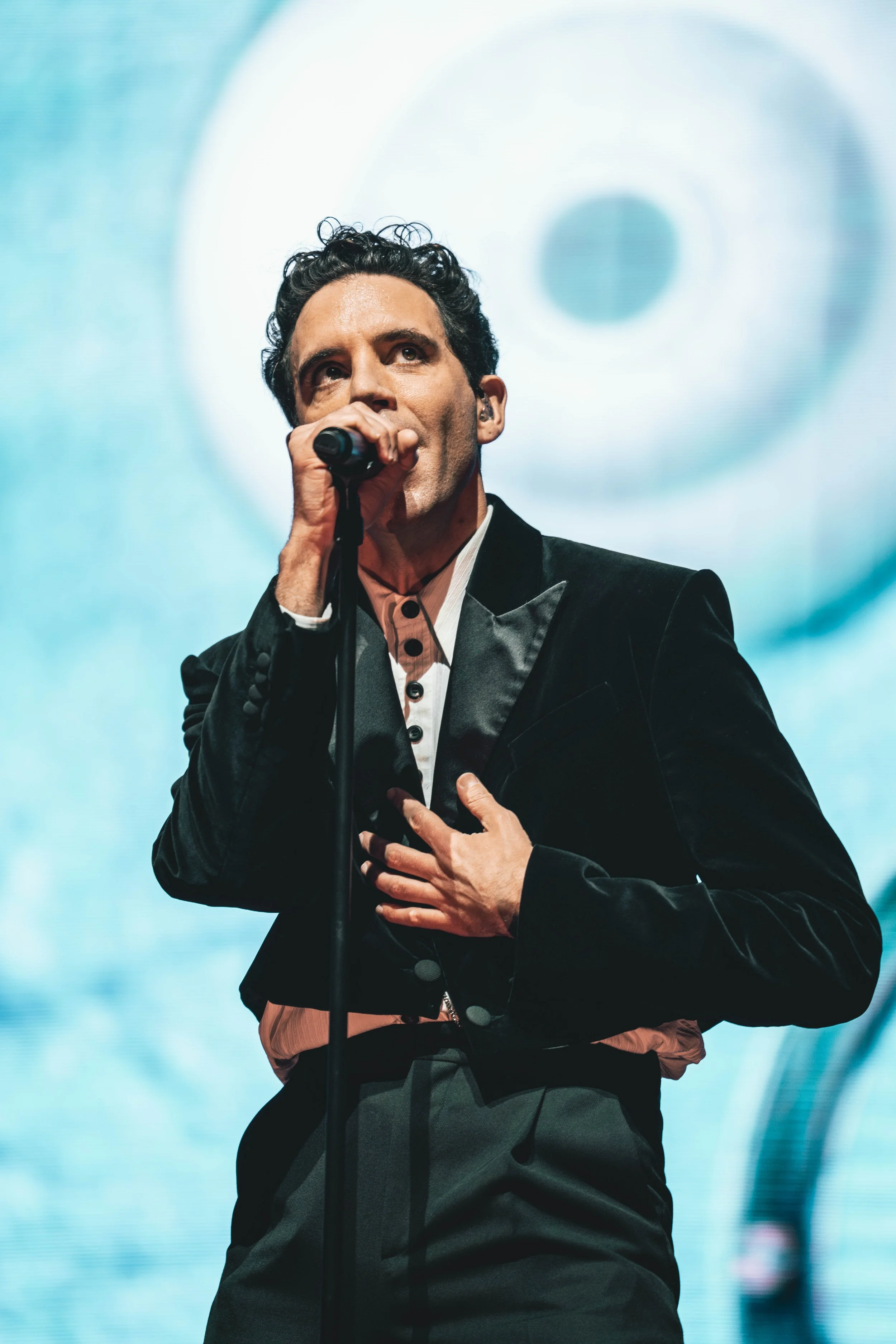
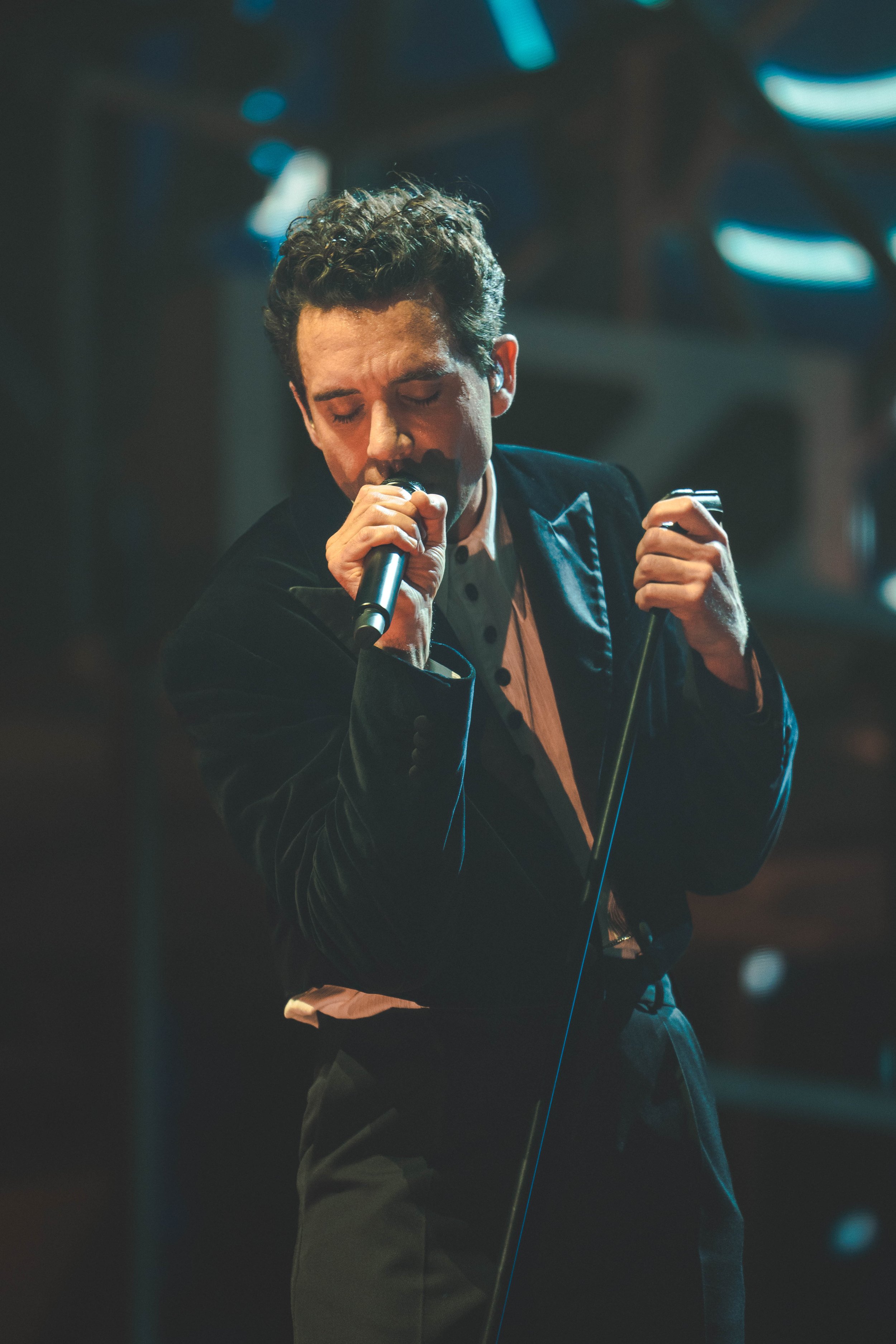
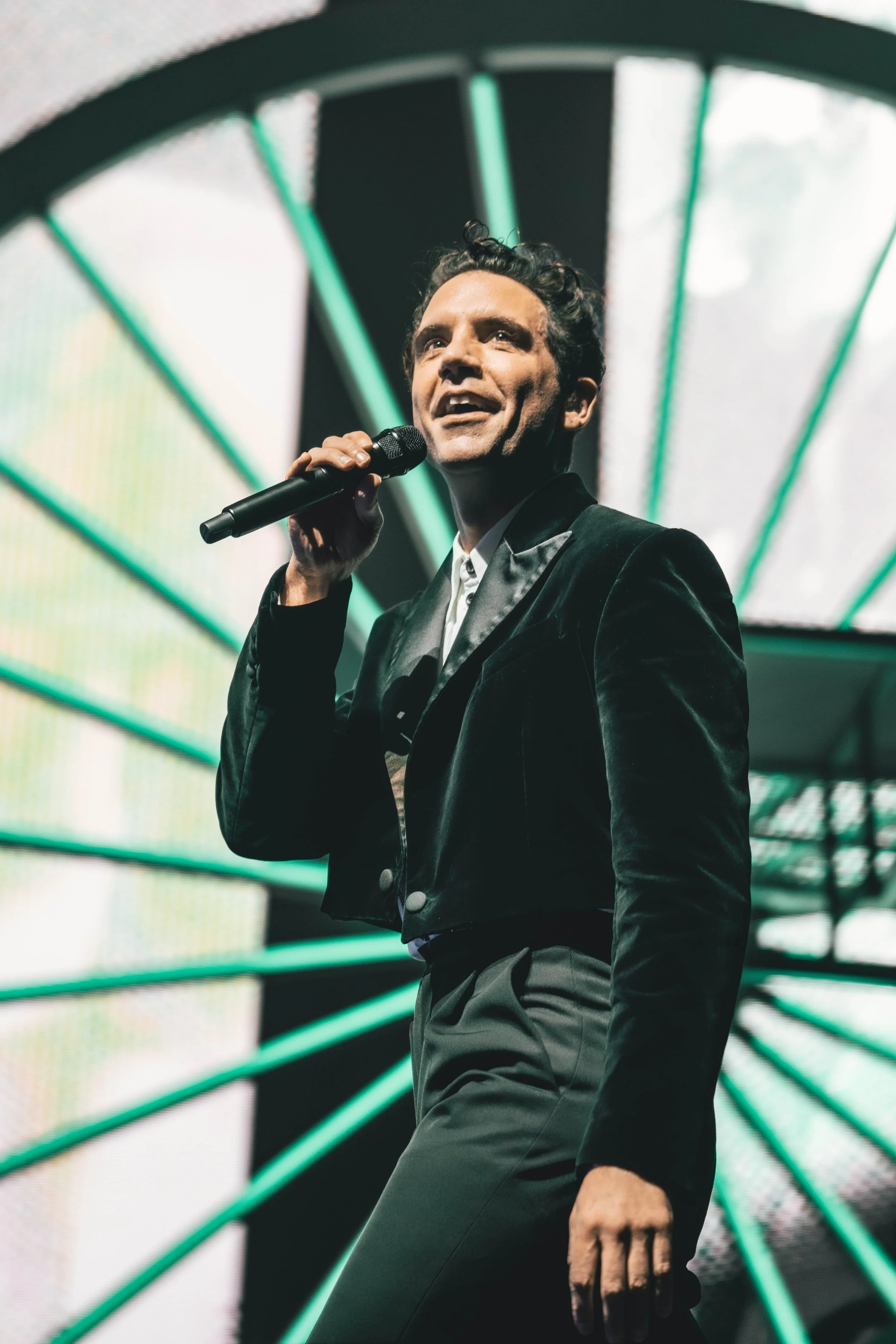
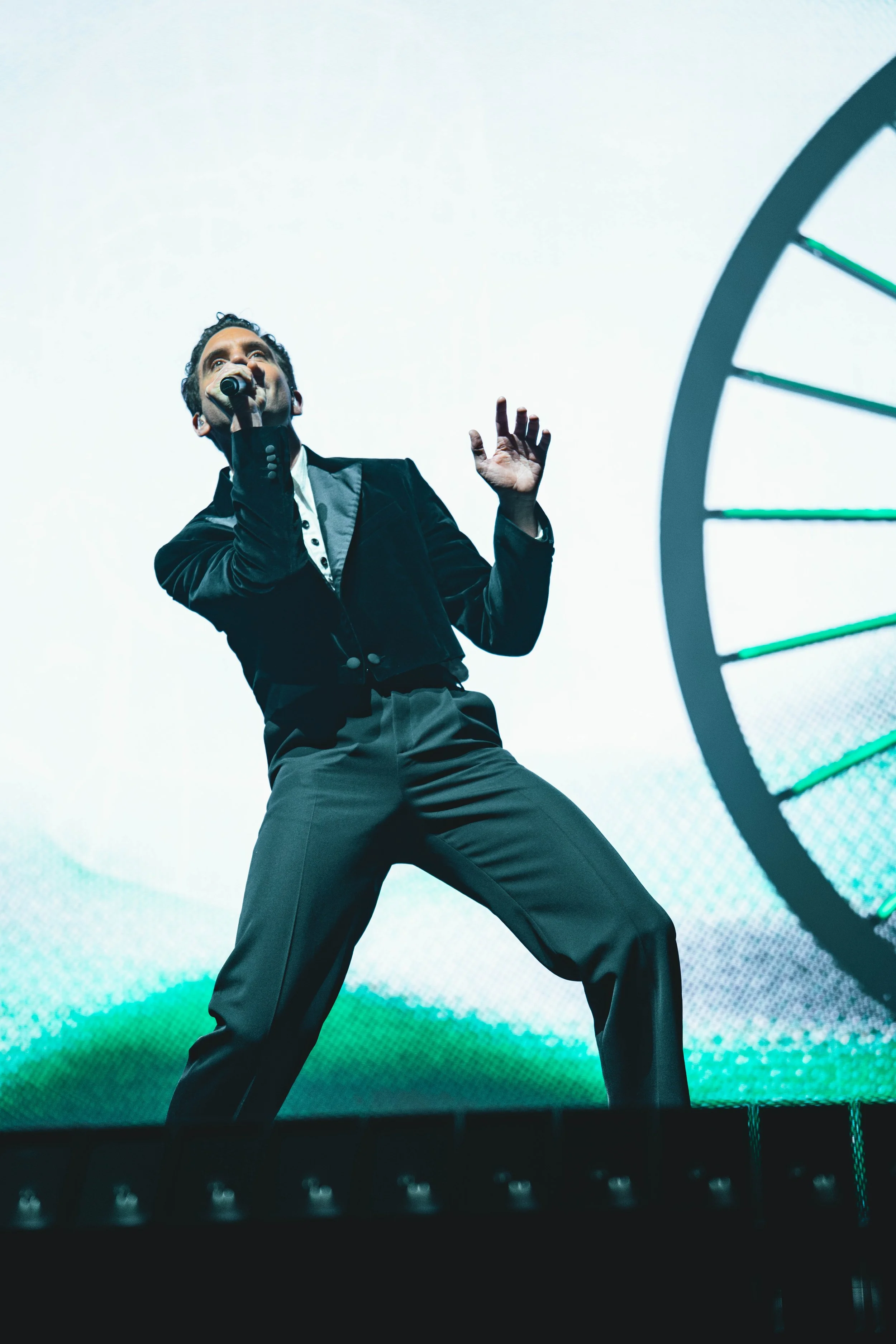
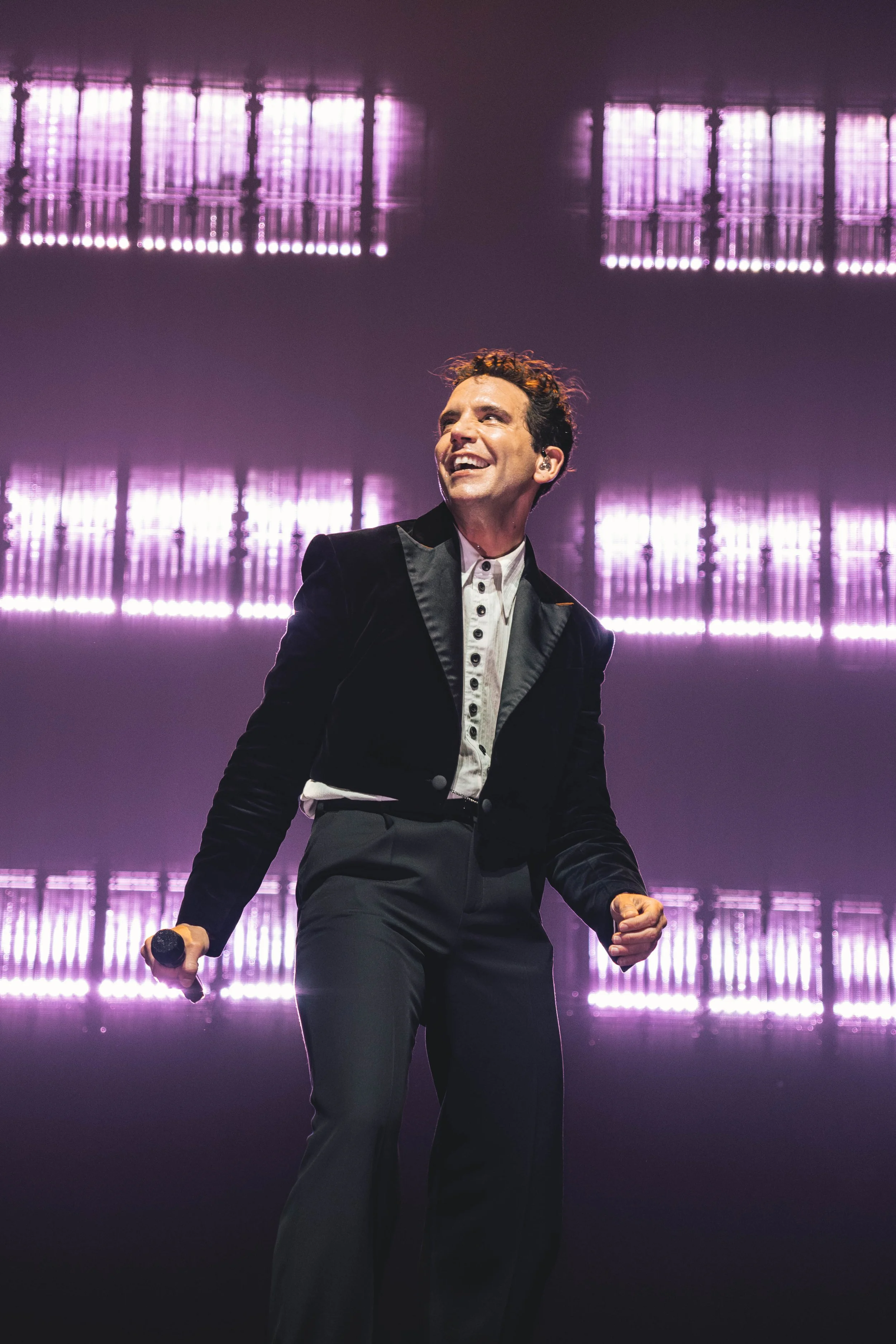
After this grandiose entrance, MIKA launched into his new tracks, 'Modern Times' and 'Eleven'. The energy was radioactive from the start, but it was during 'Relax (Take It Easy)' that the arena truly transformed. The entire audience rose like a standing ovation, singing as one. This was also when he introduced himself, although he was clearly an artist who didn’t need one. This collective standing ovation felt like a deep exhale for the crowd, which led into 'Hyperlove' with the floor covered in smoke and the lights creating a shimmering waterfall effect.
Conceptually, the song outlines a new kind of love in the modern world, and MIKA describes hyperlove and hyperliving as embracing a form of “euphoria that helps you make sense of the world around you.” It is described as a “celebration of having (love) and wanting more”. In this moment, however, it functioned as a lush love letter to the audience - a direct acknowledgement of the crowd’s reaction to 'Relax (Take It Easy)' and a celebration of his own "hyperlove" for the fans who have stayed by his side. It was here that MIKA claimed "Wembley belongs to us," bridging the gap between the initial excitement and the deeper journey of the set. While 'Relax' was about the crowd letting go, 'Hyperlove' was MIKA’s way of leaning into that energy and giving it back.
Almost immediately, we were thrown straight back into the heart of the classics with 'We Are Golden', where the entire arena was up again. As the chorus swelled and 12,500 voices joined in to scream "We are not what you think we are", the weight of the moment hit me in a way I didn't expect. I actually started tearing up - which is completely out of character for me, as I never tear up during concerts. There was something about the raw sincerity of that track, paired with the sheer scale of the unity in the room, that made it impossible to stay detached.
Following that the energy shifted into the driving beat of 'Lola' and to reference the lyrics of the THE ORIGIN OF LOVE (2012) era, I have to say: I’ve made up my mind, too. While MIKA is undeniably phenomenal on the record - his studio layers and vocal acrobatics are world-class - seeing him in the flesh proves he is even better live. There is a theatricality and a grit to his stage presence that a recording simply cannot replicate.
When MIKA spoke about 'Immortal Love', he wasn't just introducing a track; he was sharing a vulnerable piece of his history. He reflected on the fact that 16 years ago, he met his "first half"- his Golden Retriever, Melachi. With a touch of his signature wit, he joked that "she's a dom," the true boss of his life who has been by his side for every album he has ever written. "If you told me 20 years ago I'd be declaring love to this person in Wembley Arena, I'd say stop drinking," he quipped, before asking the audience: "Love or Hyper Love is right in front of you... is it next to you? Is it by your side?"
Personally, one of the standout tracks from the new album for to hear live was 'Science Fiction Lover'. Sonically, it is a track rooted in atmospheric pop, blending a driving, futuristic beat with those ethereal vocals that MIKA does better than anyone. The song itself is a fascinating dive into modern intimacy - it’s essentially a manifesto for finding "human" connection in a world that feels increasingly mechanical. But let’s talk about that chorus: it is so incredibly catchy that even Shakespeare would be jealous of the wordplay. It strikes that perfect MIKA balance: high-concept storytelling wrapped in a melody that you simply cannot get out of your head.
The placement of 'Lollipop' right before 'Excuses for Love' (another standout track from his new album) was a stroke of storytelling genius. "If you didn't know I'd wear pink, then you don't know me," he quipped, explaining that pink is a philosophy - a loaded colour that stands in direct opposition to the darkness and the grey. In his world, pink is a form of "poetic resistance." By reintroducing 'Lollipop' as a "grey story" of a girl under a dull London sky, he continued the storytelling mid-song as the music dipped. "There was a sound," he told us, "because you see, grey is only temporary. A little bit of heart and courage can pull it down." He described the melody as a shield against that grey, and as the refrain of 'Lollipop' kicked back in, the entire arena - even those working the bars - started singing and moving. It was a visceral display of how a simple melody can dismantle the gloom. This was the perfect setup for 'Excuses for Love’, which served as the ultimate conclusion to that narrative: once you’ve found the courage to be the bright pink in a grey world, there are no more "excuses for love". Sonically, these two tracks represent the best of both worlds; while 'Lollipop' is that classic we fell in love with, 'Excuses for Love' feels like it’s more mature, sophisticated sibling. Hearing them back-to-back made it clear that while his style has evolved, the core message of unapologetic affection remains the same.
The arrival of 'Popular Song' marked one of the most poetic shifts of the night. The track is a clever, slightly remixed reimagining of ‘Popular’ from the musical Wicked, famously originated by Kristin Chenoweth. MIKA’s version flips the script - instead of the "popular" girl giving condescending advice, it’s a victory lap for the outcasts. This musical theatre DNA explains the gothic, Addams Family-esque school aesthetic of the music video, a nod to Shiz University, where the "wicked" Elphaba never quite fit in. I couldn't help but think of Ariana Grande, who featured on the single and has since achieved her lifelong dream of playing Glinda in the movie. It’s a full-circle moment: a song about being an outcast performed by people who now own the world's biggest stages.
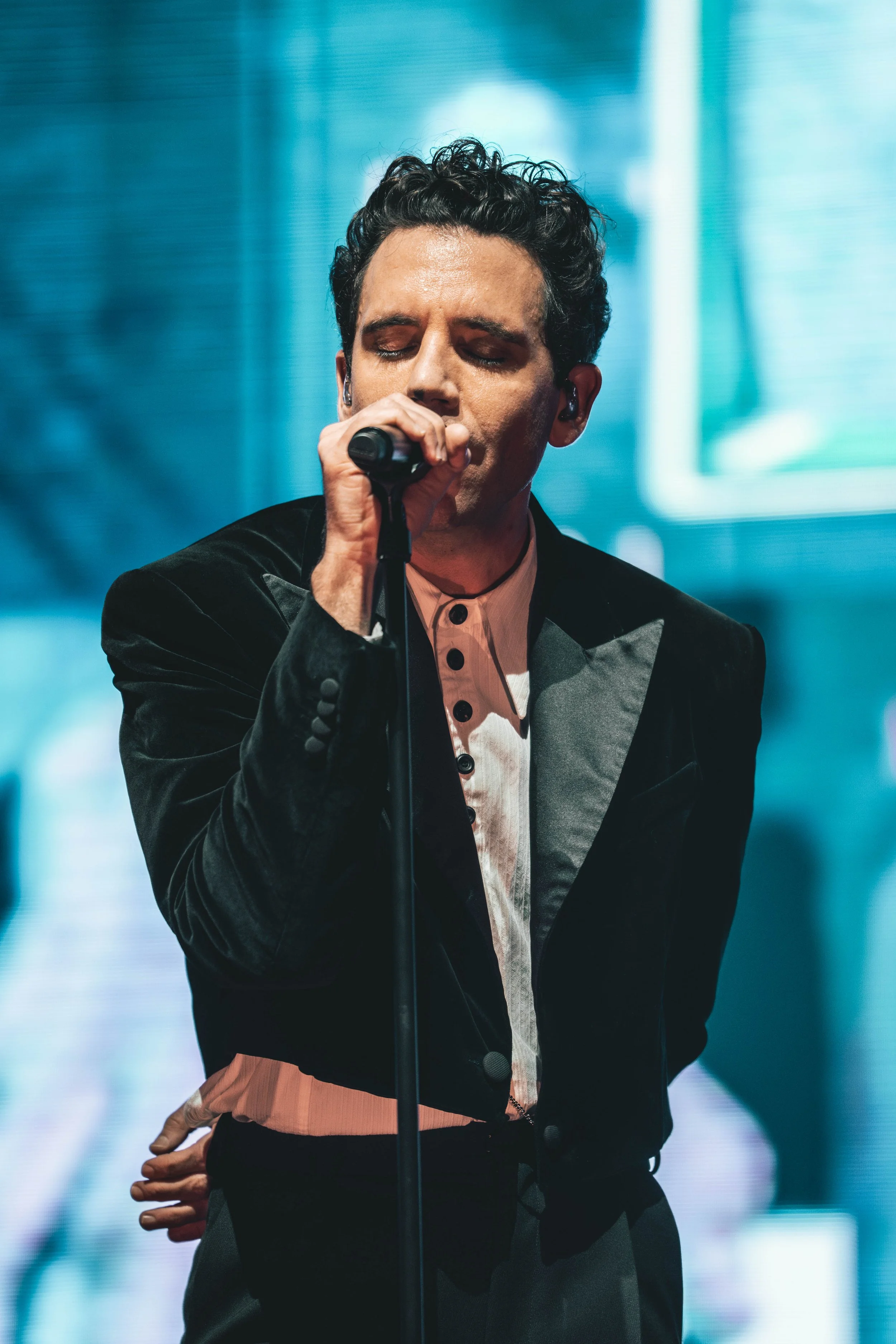
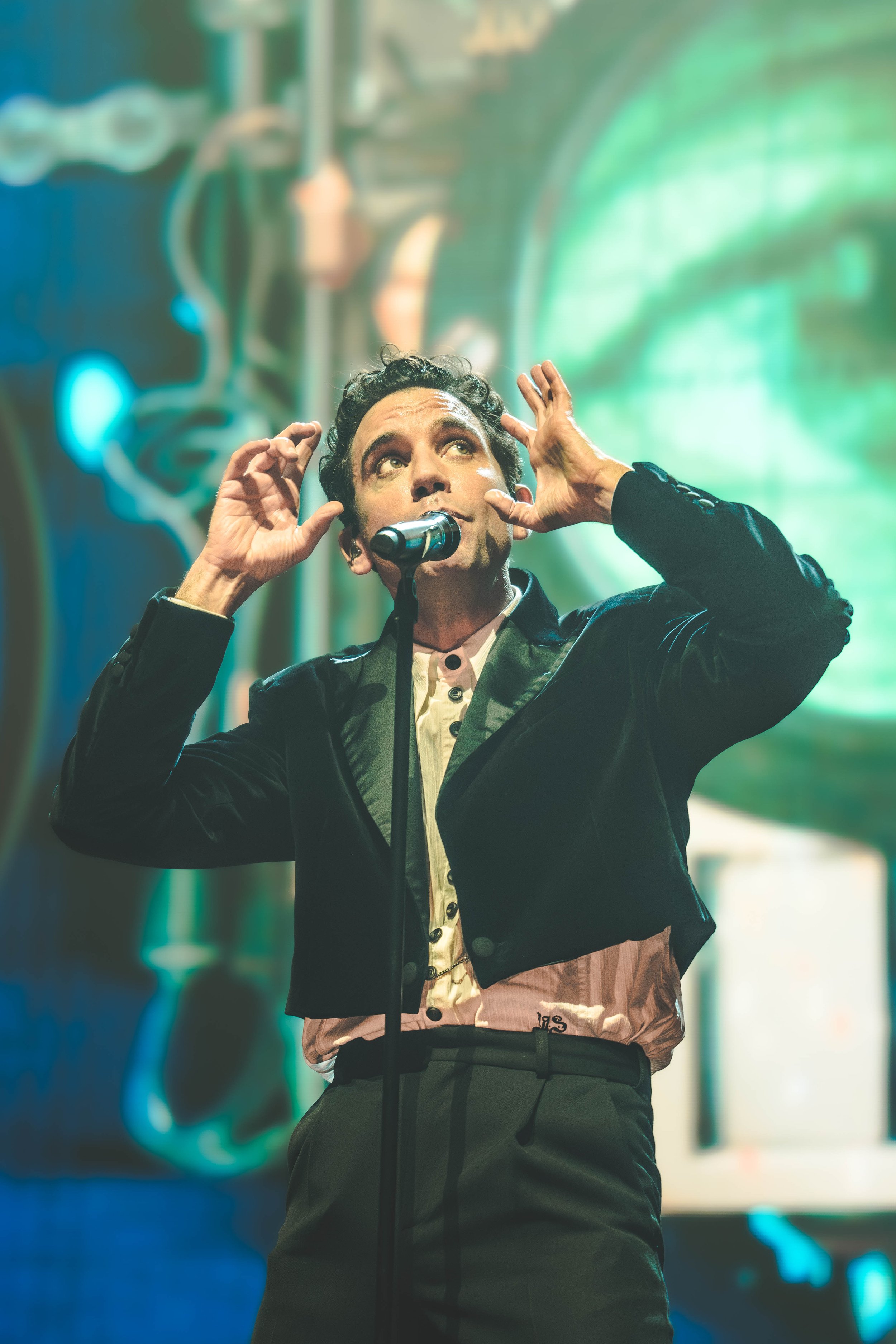
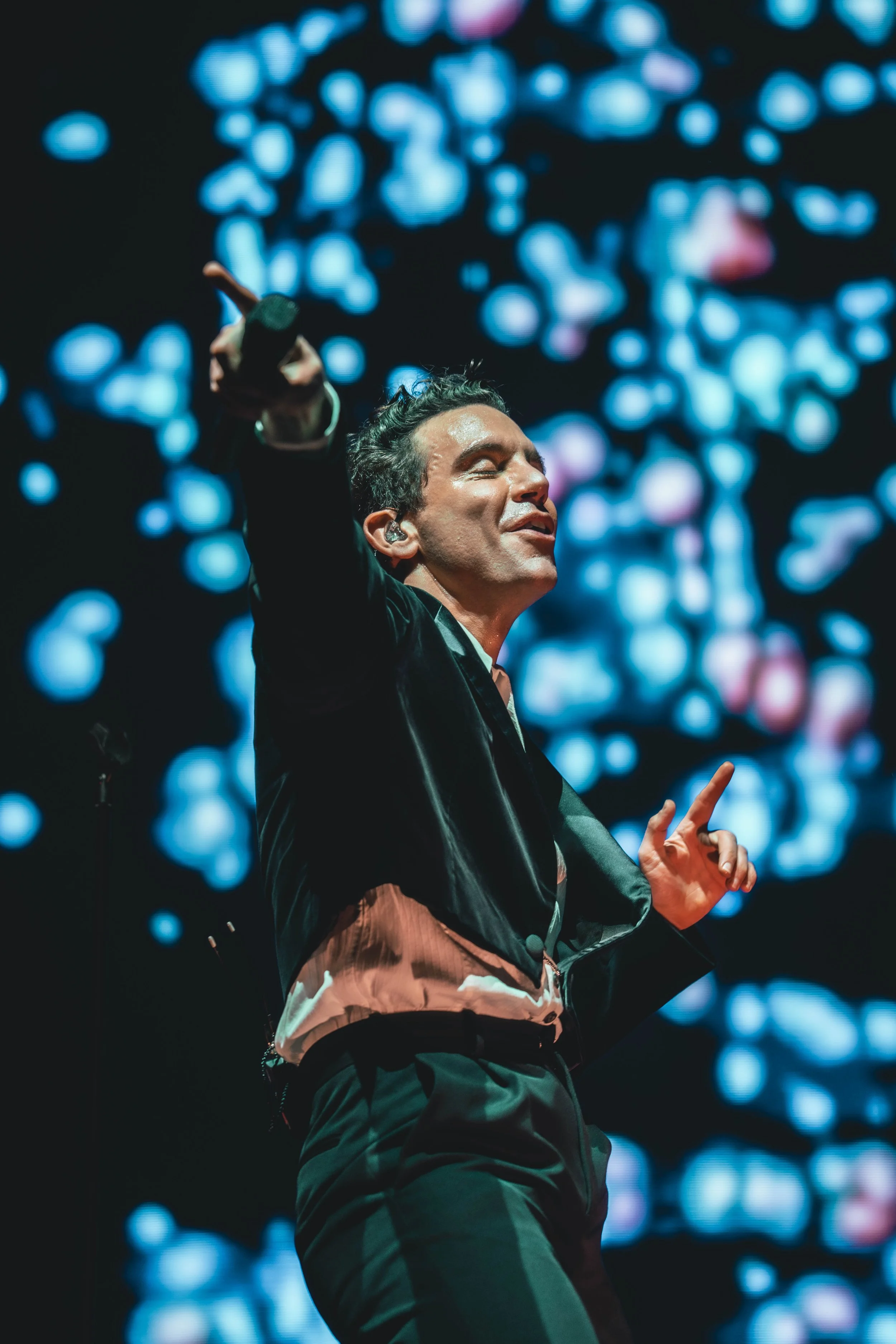
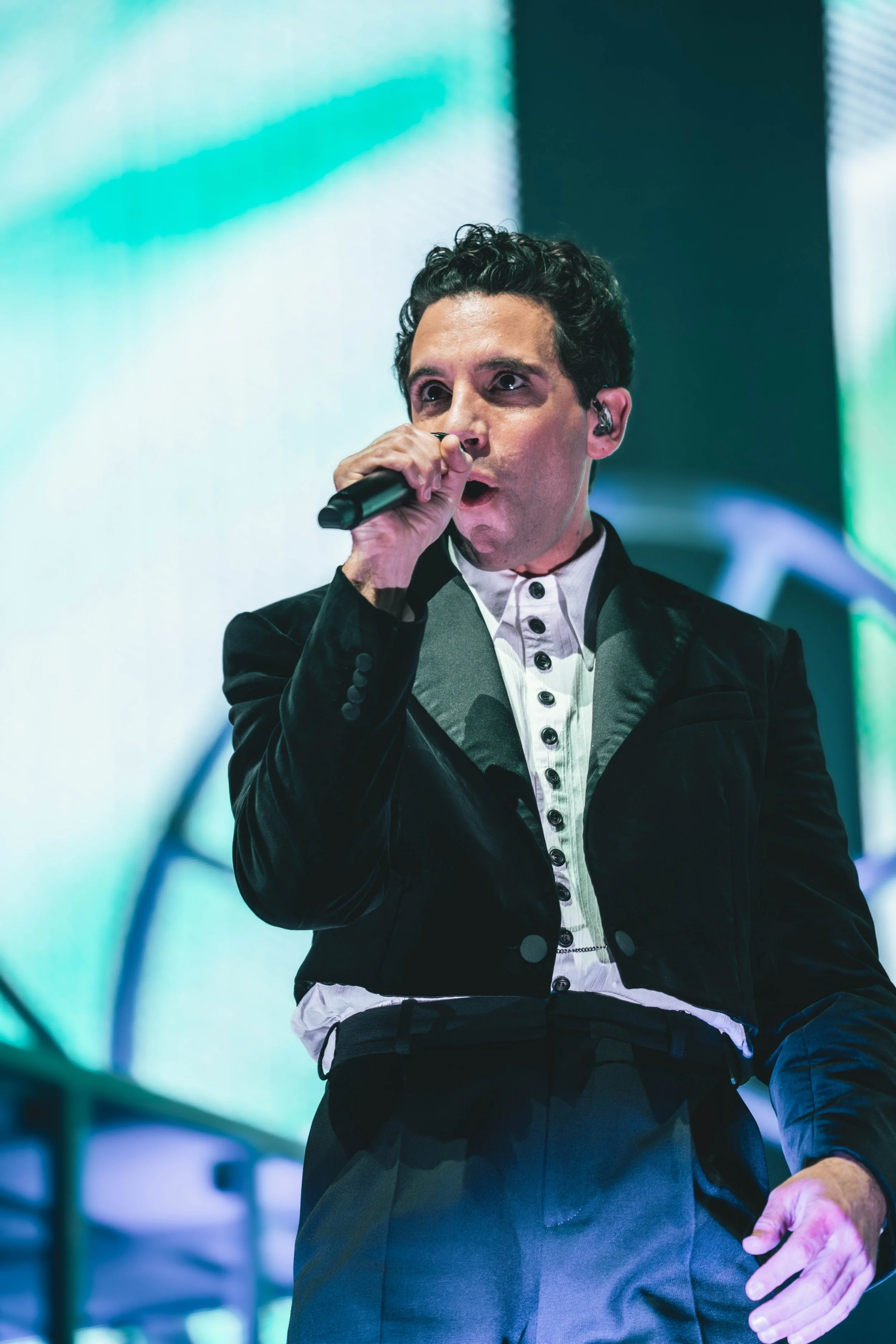
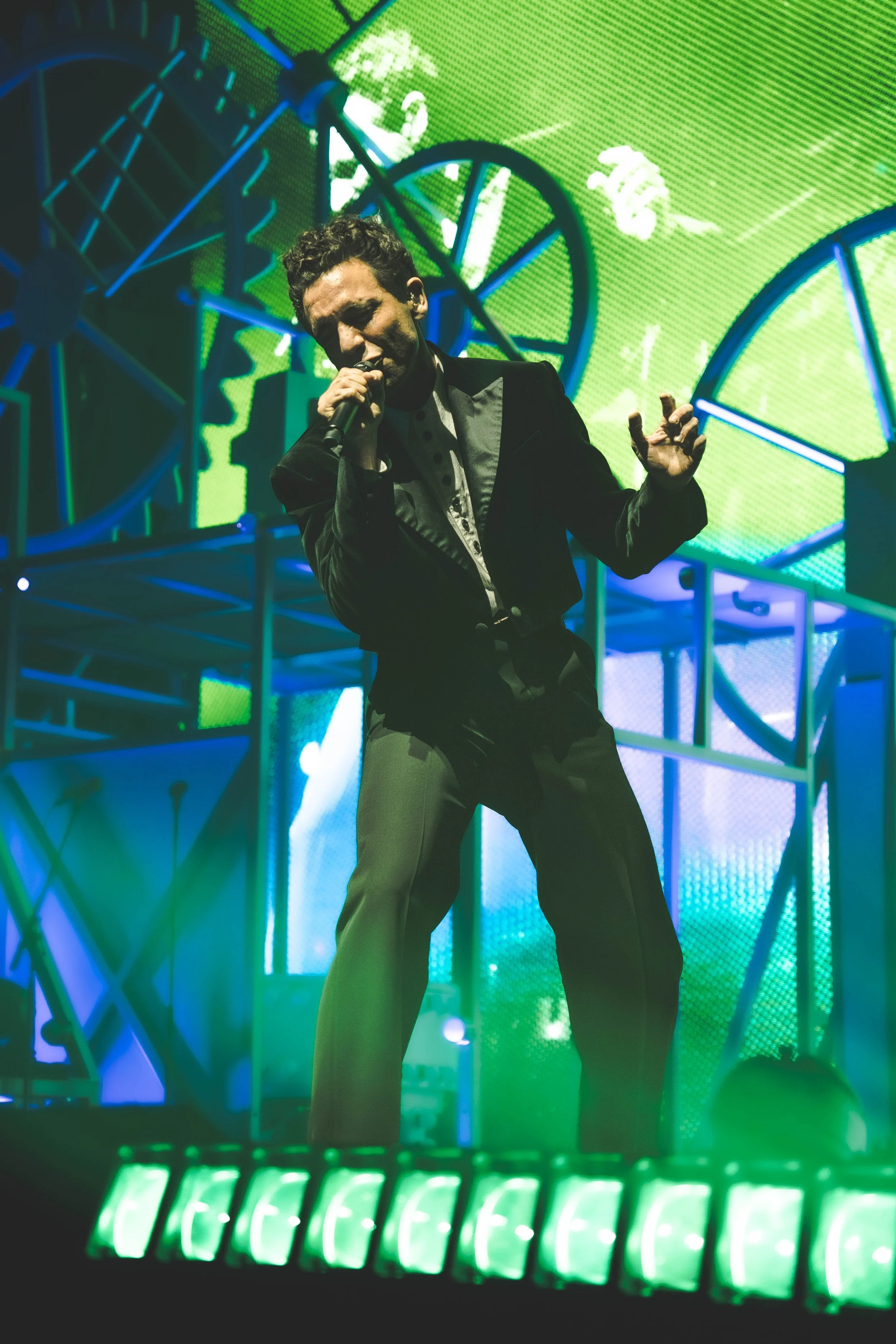
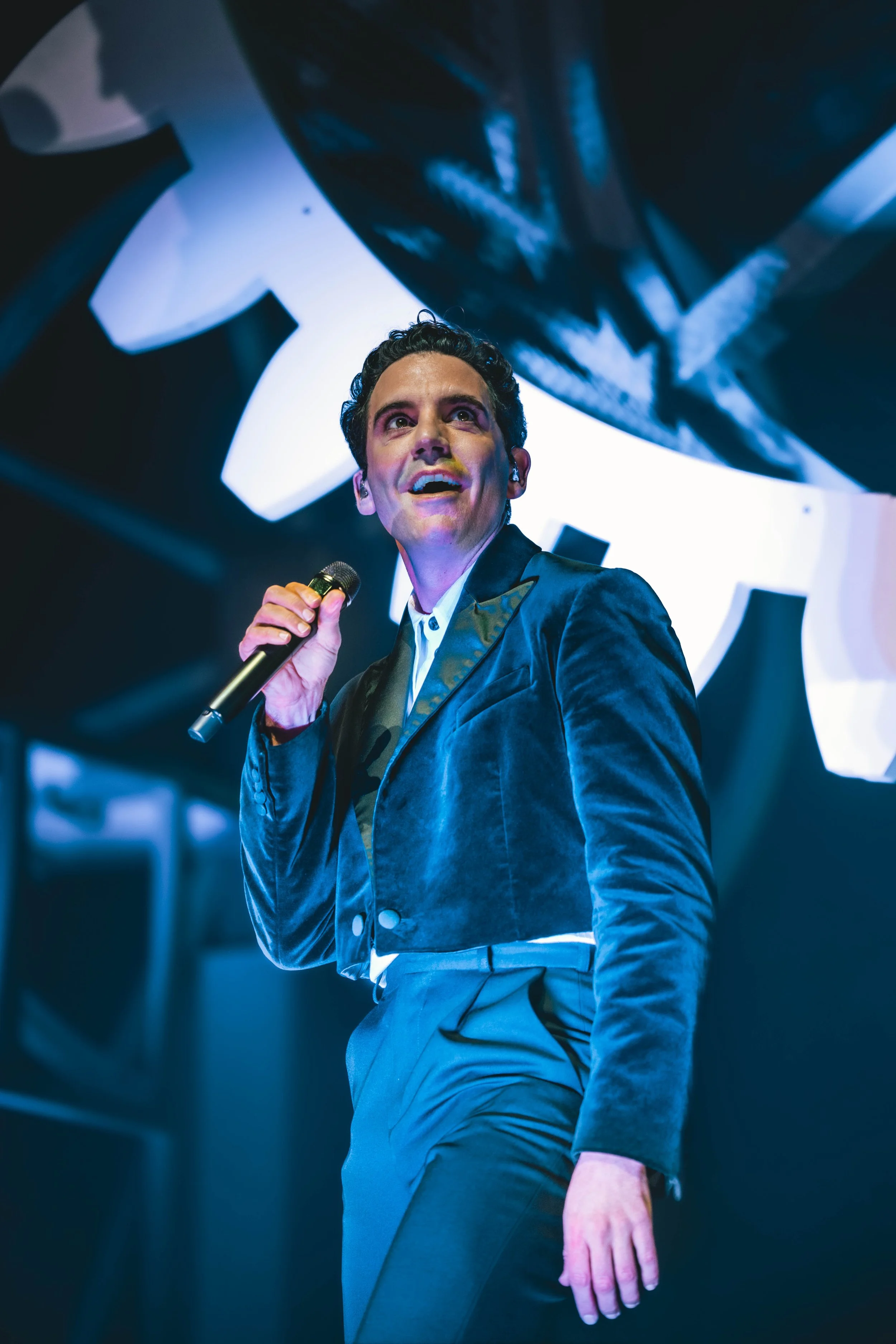
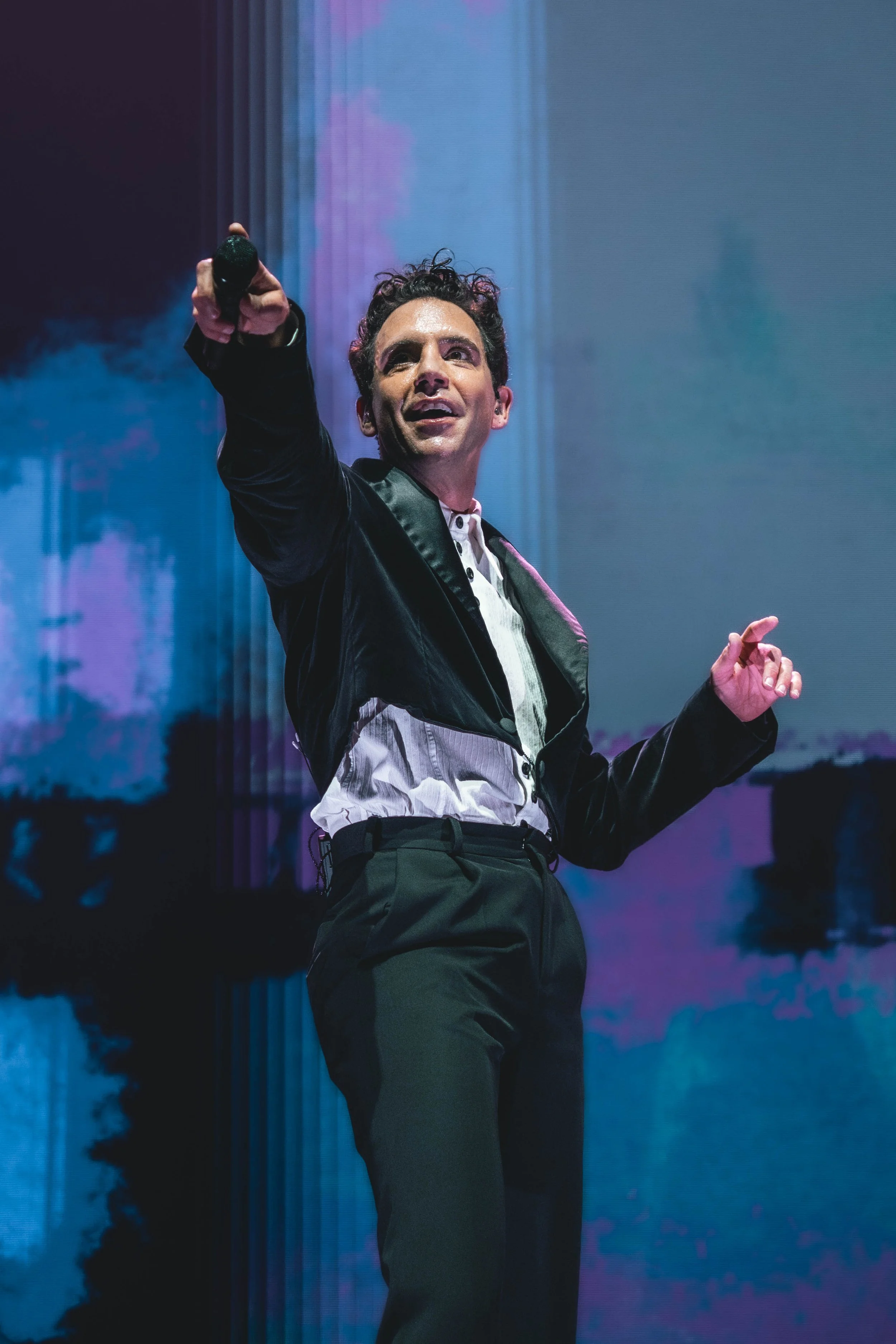
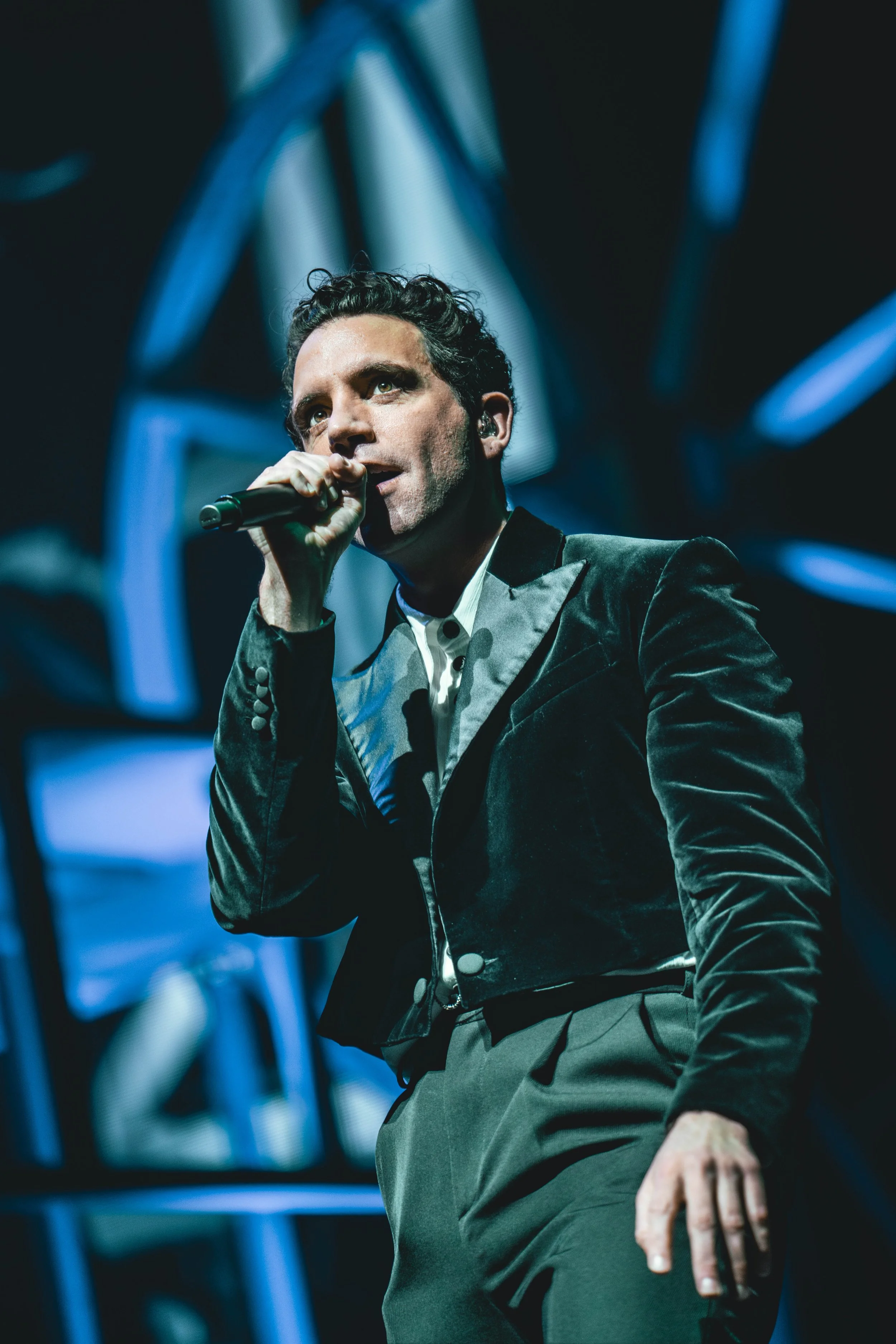
But it was MIKA’s use of the room that truly elevated the message. He reframed the arena with a brilliant metaphor, dividing us into two camps: the angels (those in the seated blocks on the side) and the devils (those in the standing pit, the “hell”). He playfully scolded the seated areas, shouting, "If you're sitting down, you're not using your ass!" before getting the "angels" to sing even louder than the pit. Yet, as the chorus swelled, he completely dismantled the division he’d just created. He explained that there is no heaven and no hell - there is just us. By the end of the song, the labels evaporated entirely. It didn't matter if you were standing or seated, a "devil" or an "angel"; we were all part of the same vibrating mass, owning our truths together. This moment served as a reminder that in MIKA’s world, we are all the same, and the only thing that truly exists is the freedom of finally belonging to yourself.
As you can see, he is a master of storytelling, but it didn’t end there. Before diving into his next track, MIKA shared the well-known origin story of the Butterfly Lounge, a size-acceptance nightclub in Orange County, California, that he discovered on a late-night Victoria Wood documentary years ago. He described the "butterfly story" as a tribute to that space - a sanctuary where those who were usually judged by the world could finally be free. It was the perfect setup for 'Big Girl (You Are Beautiful)', framing it not just as a pop hit, but as a manifesto for the spirit of the room. When the beat finally kicked in, the crowd response was unlike anything else - a total singalong that felt like the peak of the night. But what happened next was absolute joyous chaos. Abandoning the stage entirely, MIKA dove into the pit. Watching him move through 12,500 people with that level of confidence was staggering; he was talking and interacting with everyone as if he were in a small room, completely ignoring the scale of the arena. He didn't just stay in the front, either - he went EVERYWHERE. He marched all the way to the back of the standing area and somehow even in the seated areas. He finished by looking out at the sea of faces and declaring, "Wembley, you are beautiful". It was an incredible high-energy performance and truly the top highlight of the entire show.
The night reached its inevitable crescendo with 'Grace Kelly'. As the first notes hit, MIKA looked out at the sea of faces and reminded us that this song had truly "come back home," having been written just 25 minutes away from where we were standing. To be honest, at this point, what can you even say? The energy was so high, it was just pure madness. For me, this was a massive pinch-me moment. Around ten years ago, I used to lock myself in the bedroom and spend hours practising my falsetto and head voice to this exact track (amongst others, MIKA classics), trying to hit those impossible notes. Several years later, this track became my favourite song to sing during Karaoke. To finally hear it live - standing in that arena and actually singing it alongside MIKA himself - was absolute insanity. This was a song written as a "mad rant" against industry suits who wanted him to be someone else, and tonight, he proved that being exactly who you are is the only way to win. This was a homecoming for a rebel who stayed true to his colours and ended up owning the kingdom.
Following 'Grace Kelly', the mood shifted for 'Happy Ending', and it was fascinating because, on paper, it is an incredibly sad song with themes of loss and loneliness, but as the final track of the main set, it felt like a purposeful irony. There was a sense of relief in the room because we all knew it wasn’t really the end; with an encore already planned, the song became a hopeful promise. It was, quite literally, a “happy ending” to the main performance. The "little bit of love" refrain also became a massive, arena-wide, wholesome chant throughout this song.
When MIKA returned for the encore, he brought a story that felt incredibly personal. He introduced 'Elle me dit' with a grin, explaining its origins: "I wasn't going to play it in the UK shows, but it's about my story - it’s about my pretty momma. Anyone else who has a pretty momma?" The track is a rhythmic list of all the nagging (but loving) things a mother says to her son. He shared a memory of being 16, sneaking out to clubs to find his way to the dancefloor, not giving a shit if he was dancing alone. "But not tonight," he shouted. "London is not an exception!" He demanded we all dance together (just like his pretty momma used to tell him) with the person next to us, no strangers, and just 12,500 people on a massive dance floor.
To wrap up the night, we had another classic with 'Love Today' - a song MIKA wrote when he was feeling the absolute best. He’s famously said to The Times in 2009 that he penned it after the first time he truly "made love" and actually enjoyed it - and you can feel that specific, dizzying euphoria in every single note. In MIKA’s world, he said he wrote 'Love Today' because he was in such a brilliant mood that he wanted to encourage everyone else to feel that same level of happiness. It’s an infectious, high-energy manifesto that says: "I’m feeling incredible, and you’re coming with me."
The transition into the 'Yo Yo (R3HAB Remix)' for the final encore was the perfect modern chaser to that classic high. While the original version of 'Yo Yo' deals with the "ups and downs" of life and relationships, the R3HAB remix takes that movement and turns it into a club-ready anthem.
As the pulsing bass filled the arena and the mechanical gears on stage reached their final cycle, the message of the night became clear. We started the evening looking at those gears as a symbol of life spinning out of our control - a hamster wheel of anxiety and repetition. But by the time the final beat dropped, that perspective had shifted entirely.
Through the "Pink Philosophy" of 'Lollipop', the "No Heaven, No Hell" unity of 'Popular Song', the rebel rant of ‘Grace Kelly’ and the bliss of ‘Big Girl (You are beautiful) and 'Love Today', MIKA showed us that even if the world never stops spinning, we don't have to be victims of the machine. We can dance on the gears. As the 'Spinning Out' theme played us out into the London night, I realised that MIKA hadn't just performed for us; he had built a sanctuary. Wembley didn't just belong to him for a night - it belonged to all of us who have ever felt like an outlier, proving that in the end, the only way to truly win is to stay exactly as colourful as you were made to be. Even in a world that’s constantly "spinning out," if you lean into hyperlove and keep your "poetic resistance" bright, you’ll always find your way back to the music.
Words by Vlad-Paul Ghilaș
Photos by Florelle Servageon